MASH UP
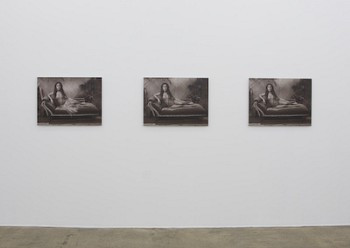
Shigeyuki Kihara, Fa’a fafine: In a manner of a woman, 2005
Photographer: Sam Hartnett
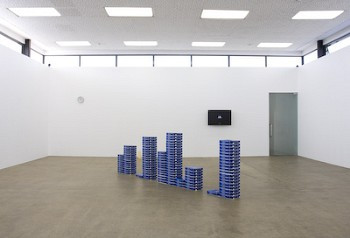
Installation view of MASH UP, 2009
Photographer: Sam Hartnett
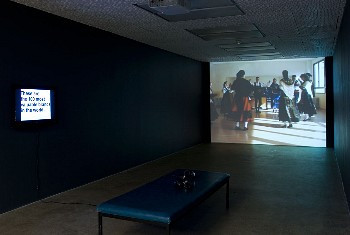
Copenhagen Brains for COPYSHOP, 100 most valuable brands in the world, 2006
Kaoru Katayama, Technocharro, 2004
Photographer: Sam Hartnett
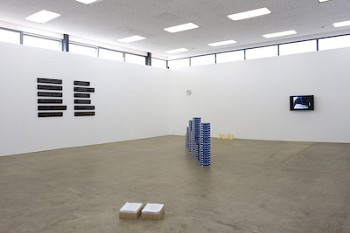
Installation view of MASH UP, 2009
Photographer: Sam Hartnett
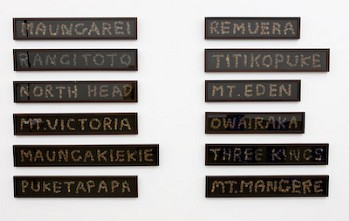
Finn Ferrier, Anei tou maunga, 2009
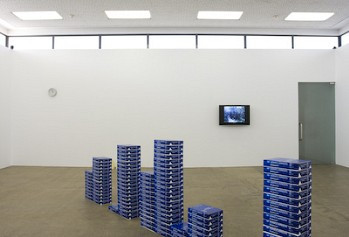
Detanico & Lain , Pile (Pilha), 2004 –
Jens Haaning, The Clock of the Newton Post Office, running on Kabul time, 2009
Lilibeth Cuenca, Seeing Pilar, 2001
Photographer: Sam Hartnett

Shigeyuki Kihara, Fa’a fafine: In a manner of a woman, 2005
Photographer: Sam Hartnett
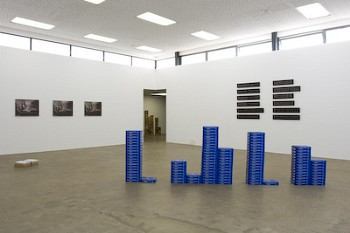
MASH UP, Installation view, 2009
Photographer: Sam Hartnett
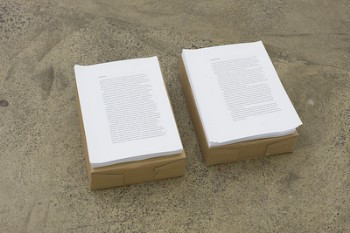
Olof Olsson, For the lack of spare parts, 2009
Photographer: Sam Hartnett
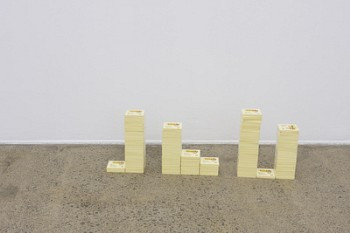
Detanico & Lain, Pile (Pilha), 2004 –
Photographer: Sam Hartnett
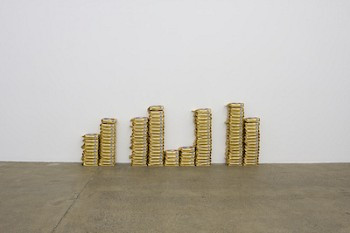
Detanico & Lain, Pile (Pilha), 2004 –
Photographer: Sam Hartnett
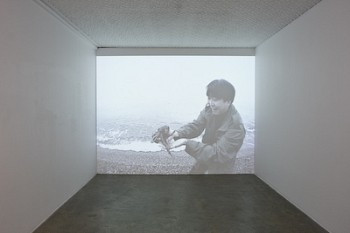
Shimabuku, Then, I decided to give a tour of Tokyo to the Octopus from Akashi, 2000
Photographer: Sam Hartnett
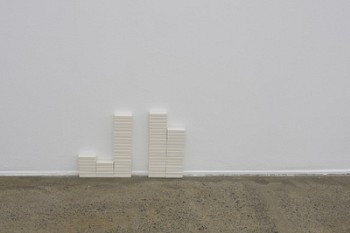
Detanico & Lain, Pile (Pilha), 2004 –
Photographer: Sam Hartnett
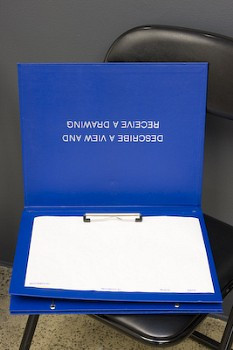
Carla Zaccagnini, Museum of Views, 2004 –
Photographer: Sam Hartnett
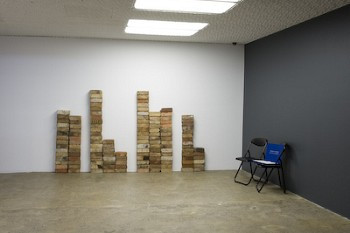
Detanico & Lain, Pile (Pilha), 2004 –
Photographer: Sam Hartnett
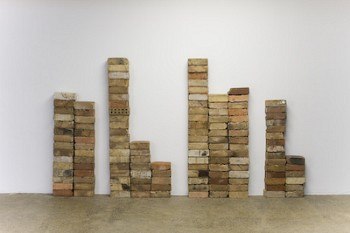
Detanico & Lain, Pile (Pilha), 2004 –
Photographer: Sam Hartnett
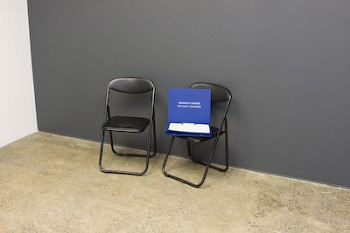
Carla Zaccagnini, Museum of Views, 2004 –
Photographer: Sam Hartnett
Jens Haaning(DK)
Olof Olsson(SE/DK)
Lilibeth Cuenca(PH/DK)
Shimabuku(JP/GE)
Kaoru Katayama(JP/ES)
Detanico & Lain(BR/FR)
Shigeyuki Kihara(WS/NZ)
Finn Ferrier(NZ)
Carla Zaccagnini(AR/BR),
Copenhagen Brains for COPYSHOP(DK).
Curated by Julia Rodrigues
MASH UP investigates how artistic practices reframe processes of translation. Taking Walter Benjamin’s ‘The task of the translator’ as a conceptual guideline, the scope on cultural translation is reinforced by the theories of the Brazilian poet Haroldo de Campos. This show explores differences, coexistence, relationships between language and codes, public and private, semiology and cryptography. How much of one culture can be communicated by another culture? How do borders operate? Can translation be a tool to identify cultural interrelations or even deal with cultural differences?
To comprehend any cultural phenomenon, it’s necessary to consider translocal systems. Contact between differences is becoming increasingly common due to the intense circulation of people, goods, capital and information. Despite the continued existence of boundaries, they no longer act as the sole barometer of classified cultural value.
This current intense and accelerated contact between cultures—by migrations, communication medias and technologies—makes the focus on translation timely, understood not just as textual or literary but also as a cultural process
MASH UP was presented as part of Auckland festival 2009, and had been awarded the Premio Curadoria 2008 Centro Cultural Sao Paulo.
Documents
MASH UP Handout