Test Transmission
Test Transmission
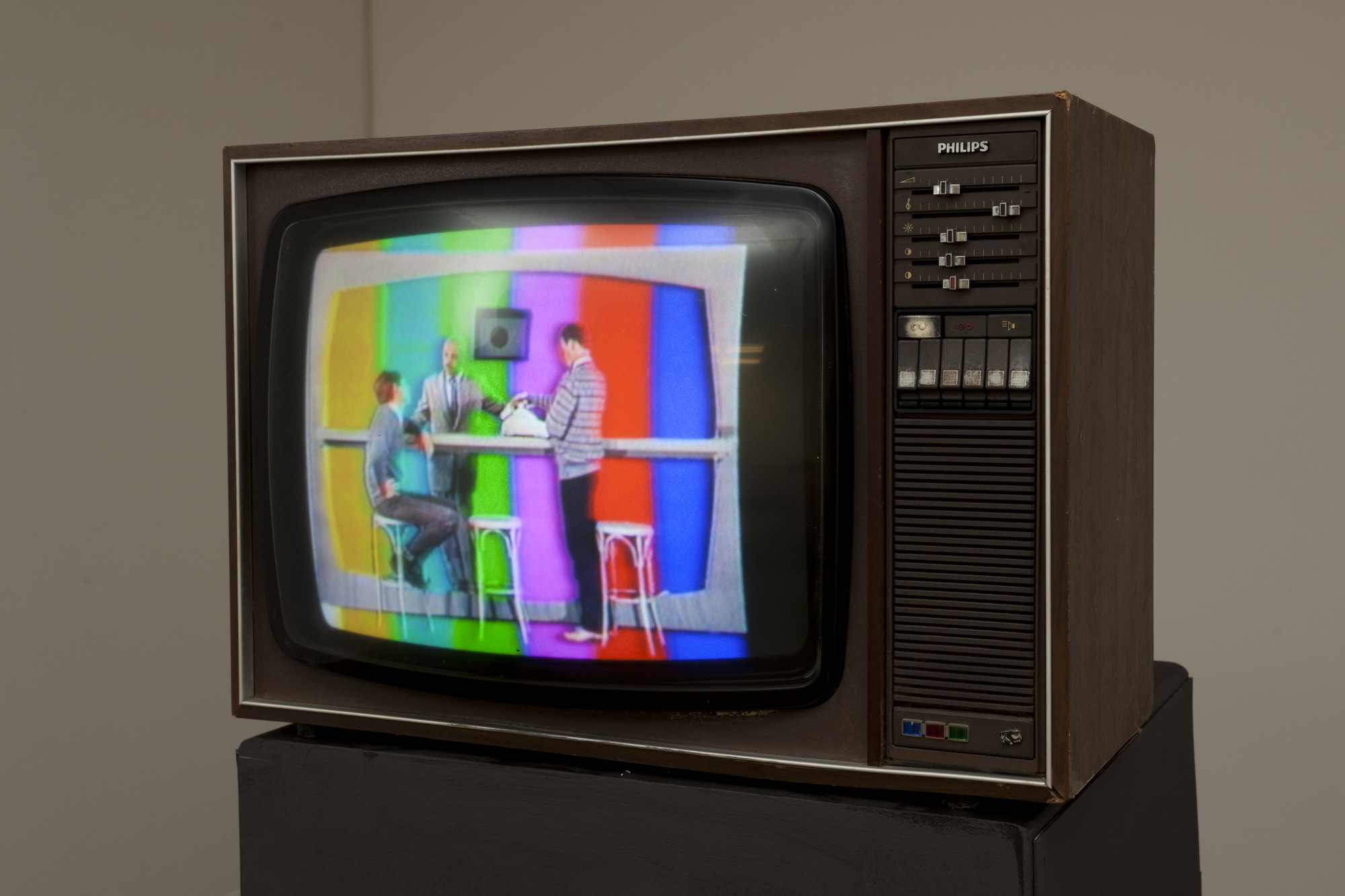
General Idea, Test Tube, 1979
Courtesy Electronic Arts Intermix (EAI), New York
Photographer: Sam Hartnett
Test Transmission
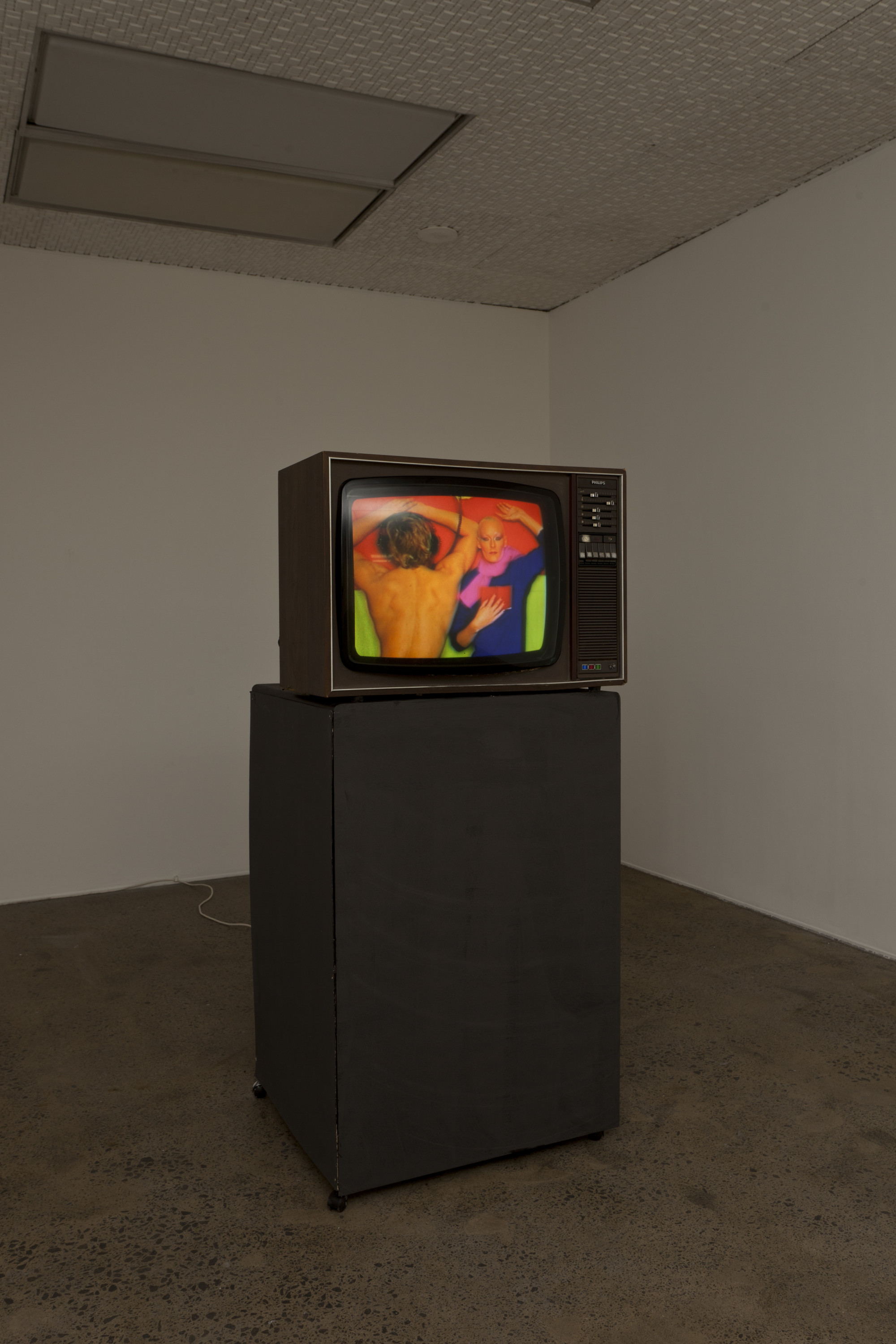
General Idea, Test Tube, 1979
Courtesy Electronic Arts Intermix (EAI), New York
Photographer: Sam Hartnett
Test Transmission
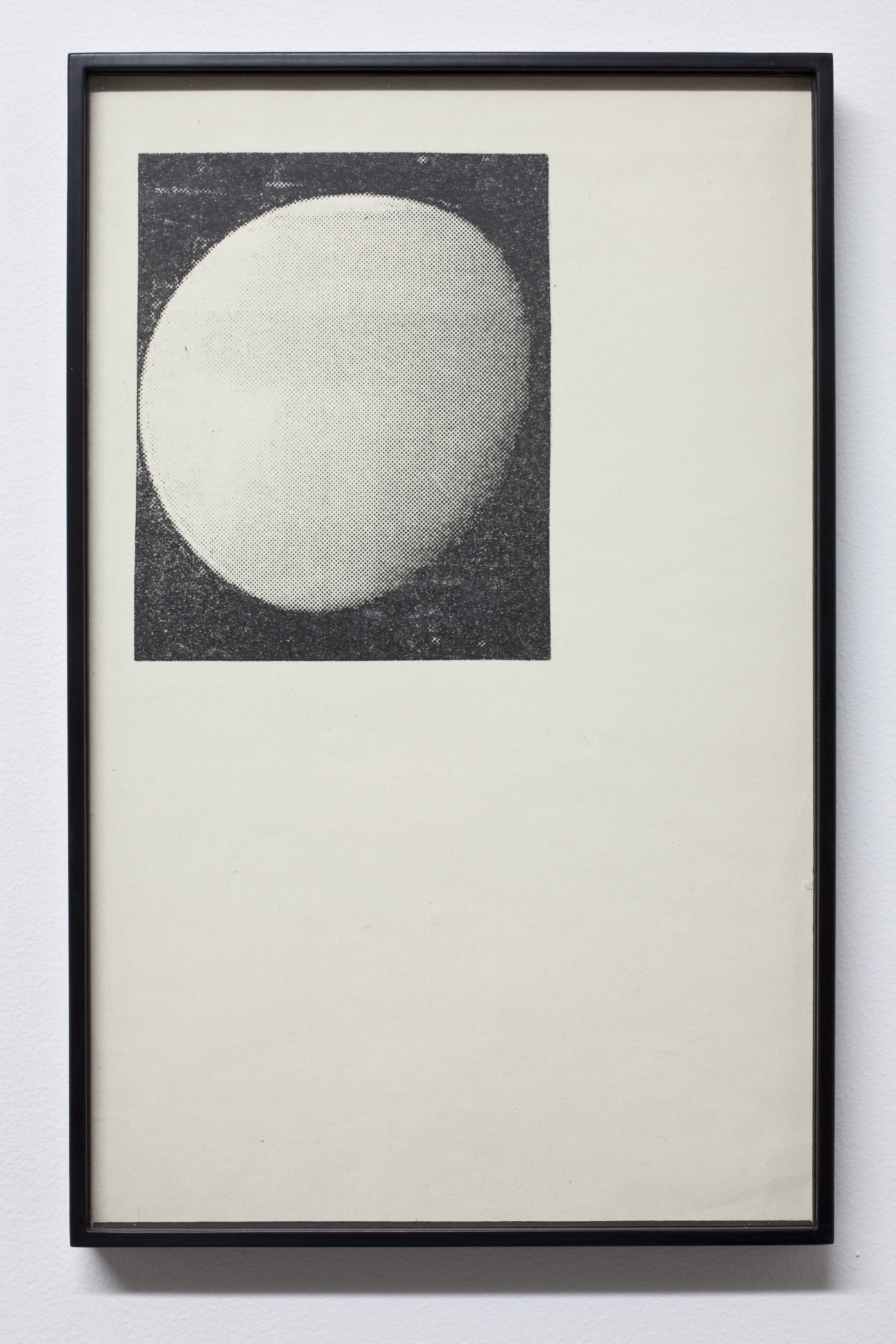
Patricia Dauder, Moon, 2006
Courtesy the artist and ProjecteSD, Barcelona
Photographer: Sam Hartnett
Test Transmission
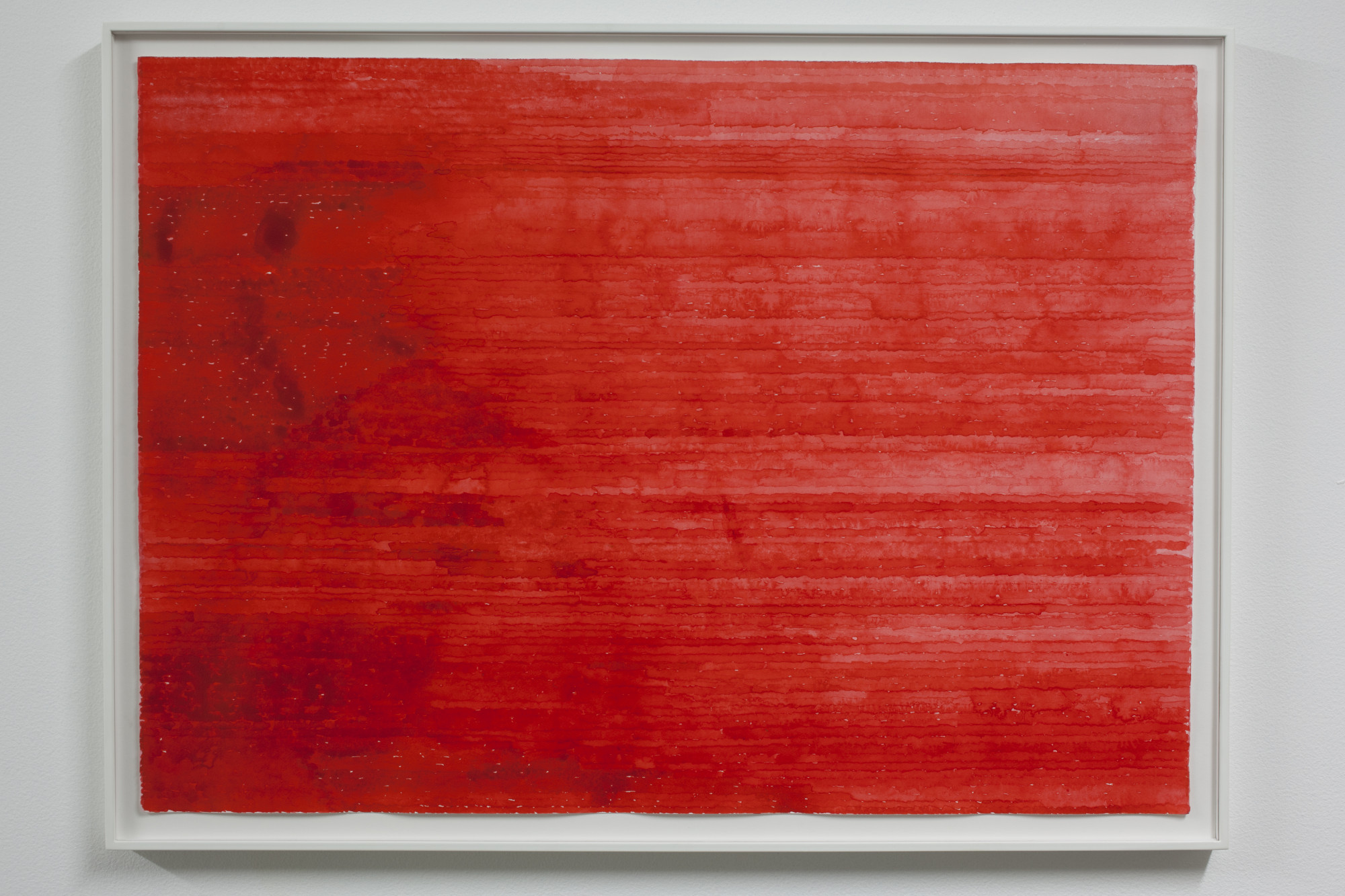
Patricia Dauder, Red 1 Teahuppo, 2011
Courtesy the artist and ProjecteSD, Barcelona
Photographer: Sam Hartnett
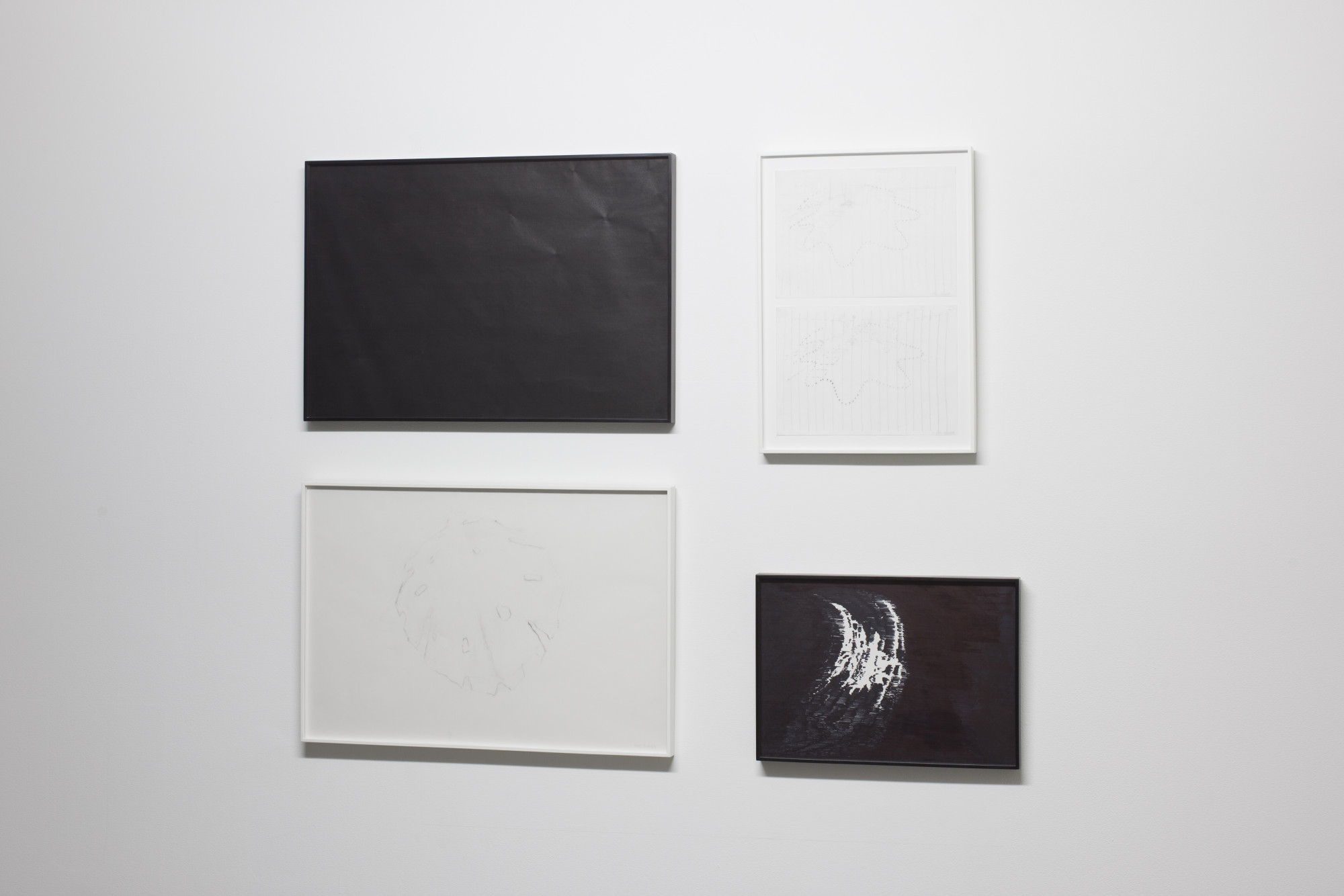
Test Transmission
Patricia Dauder; Total Black, 2006, Leaf, 2006, Leaf and highway, 2006, Negative Wave, 2010
Courtesy the artist and ProjecteSD, Barcelona
Photographer: Sam Hartnett
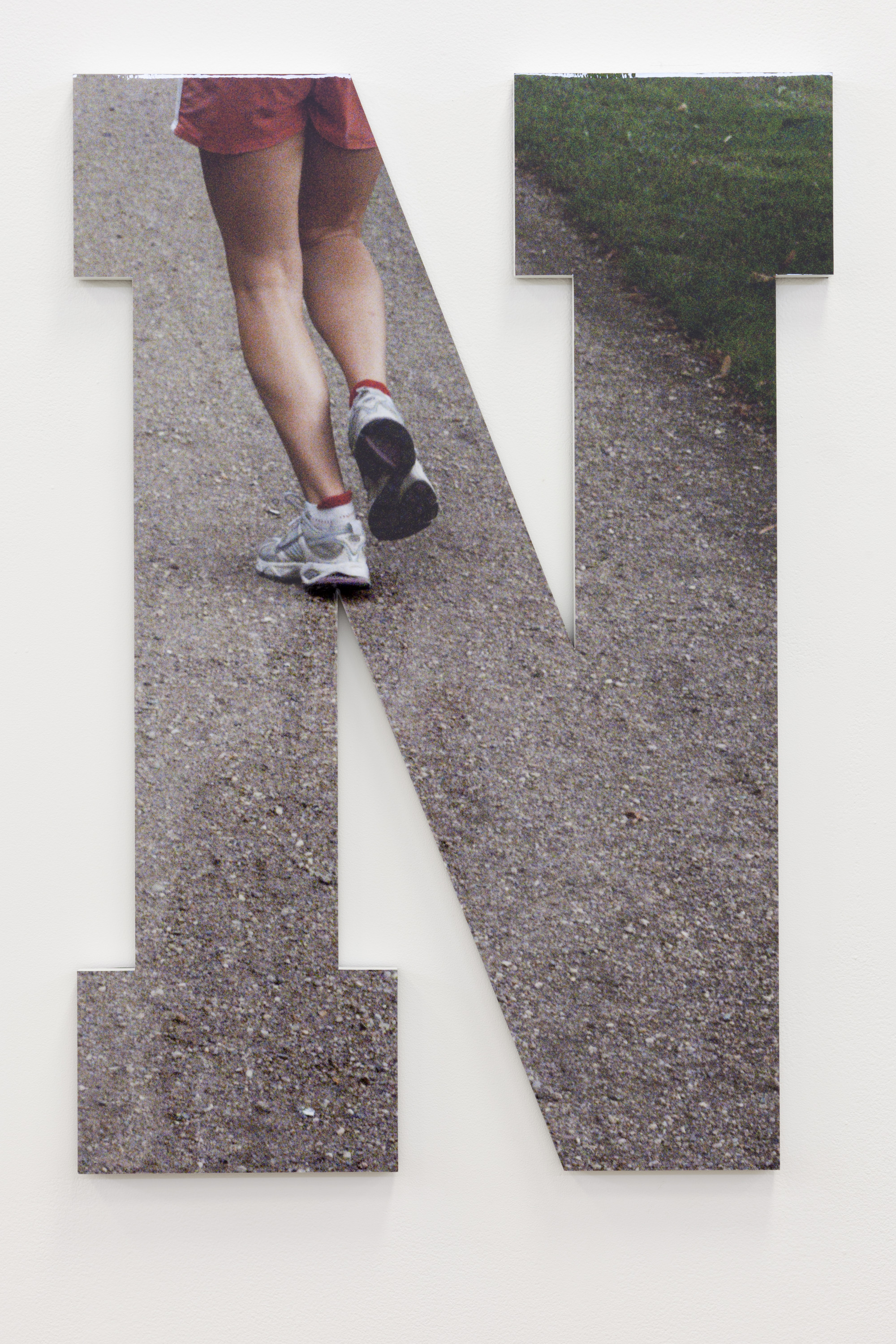
Test Transmission
Tobias Kaspar, N, 2010
Courtesy of the artist and Silberkuppe, Berlin
Photographer: Sam Hartnett
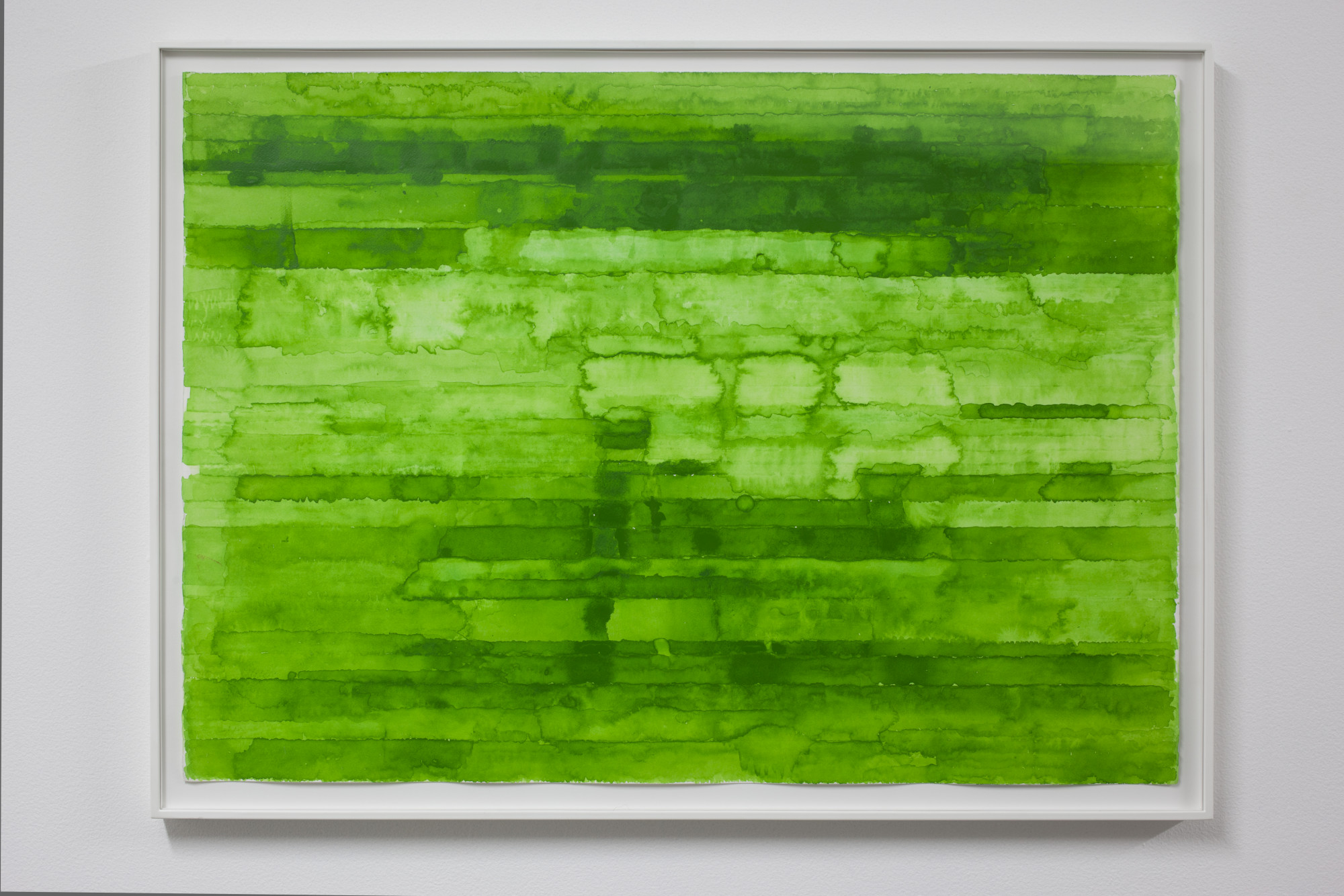
Test Transmission
Patricia Dauder, Green 2 Teahuppo, 2010
Courtesy the artist and ProjecteSD, Barcelona
Photographer: Sam Hartnet
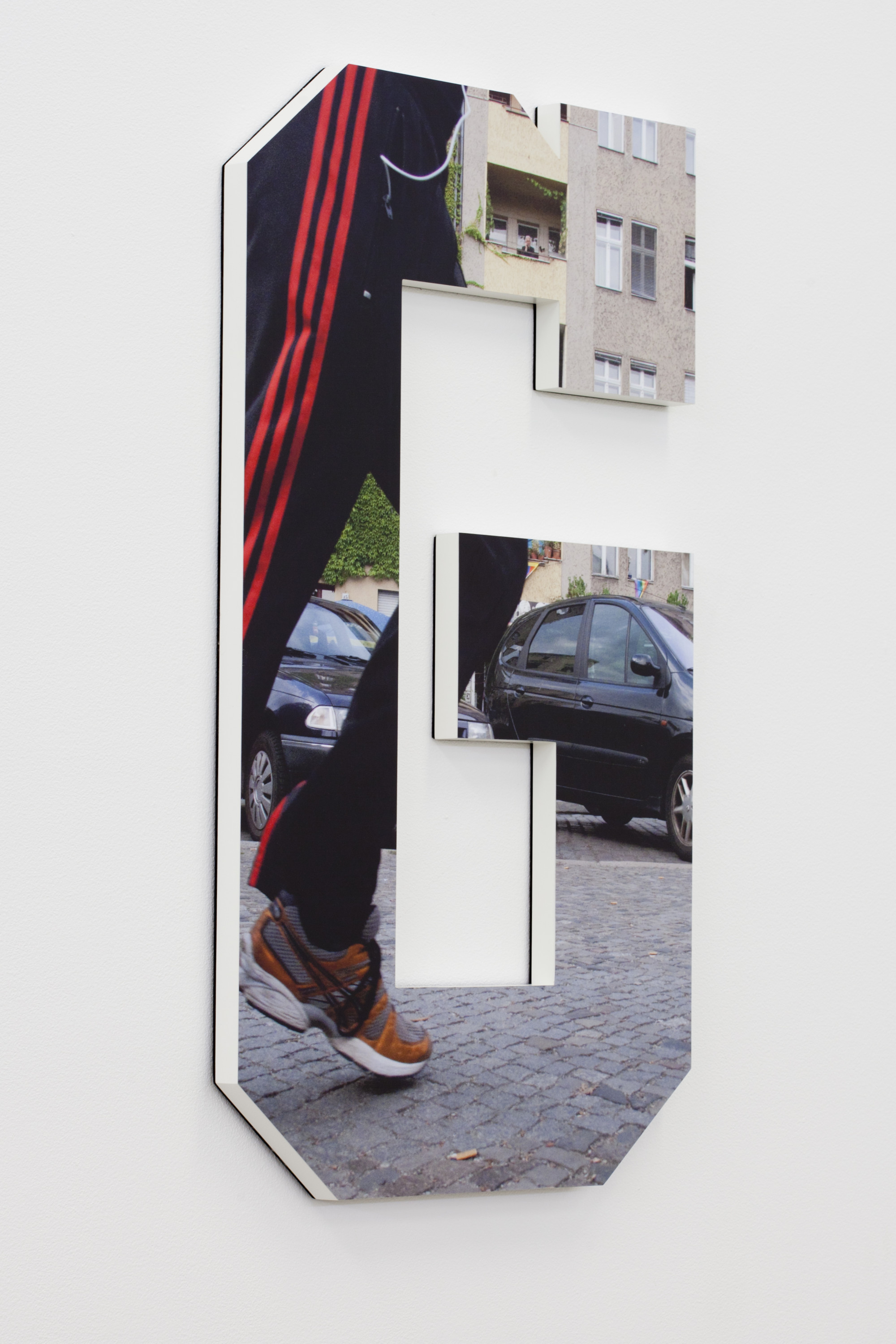
Test Transmission
Tobias Kaspar, G, 2010
Courtesy of the artist and Silberkuppe, Berlin
Photographer: Sam Hartnett
Test Transmission
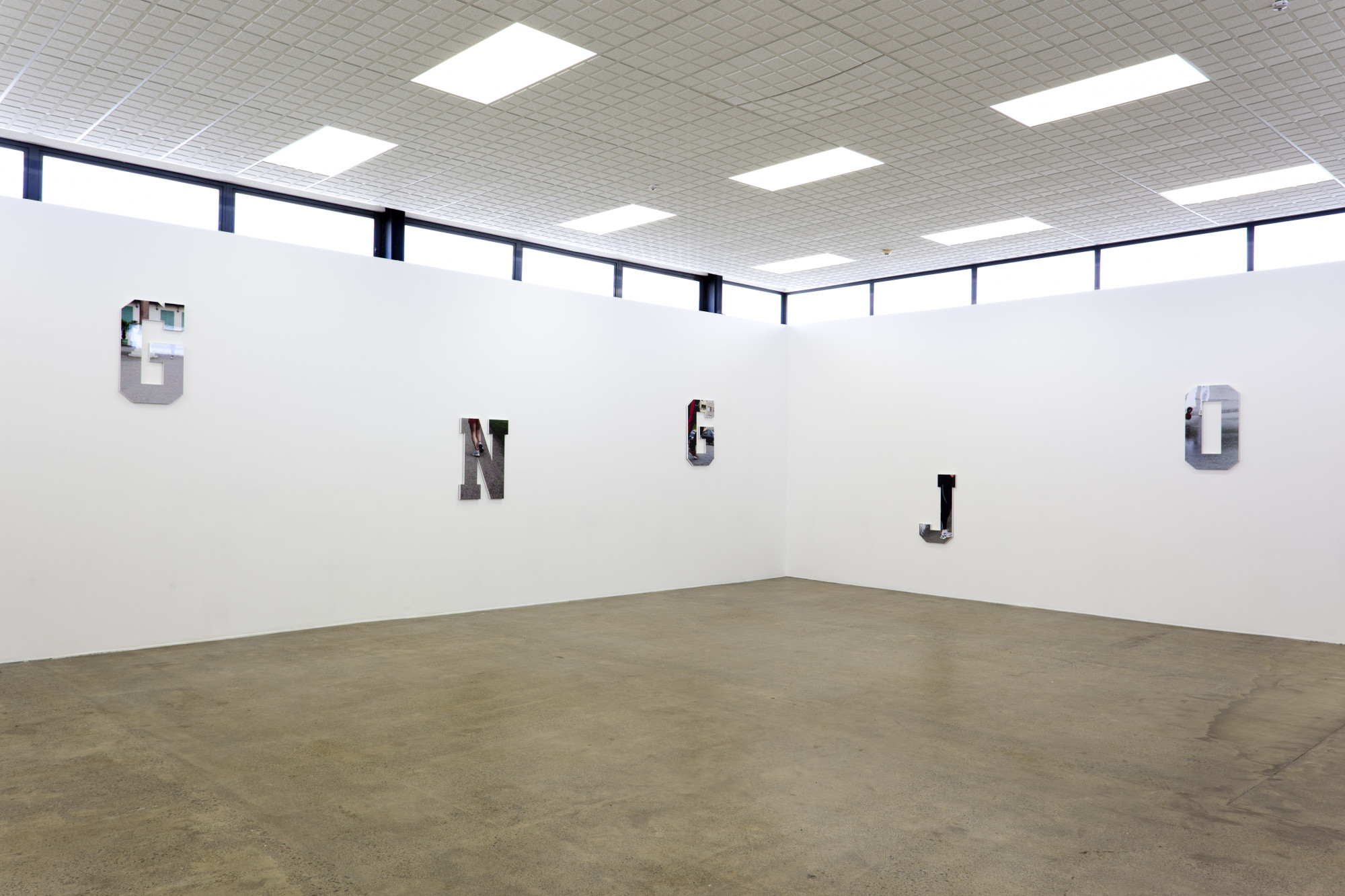
Tobias Kaspar, G, N, G, J, O, 2010
Courtesy of the artist and Silberkuppe, Berlin
Photographer: Sam Hartnett
Test Transmission
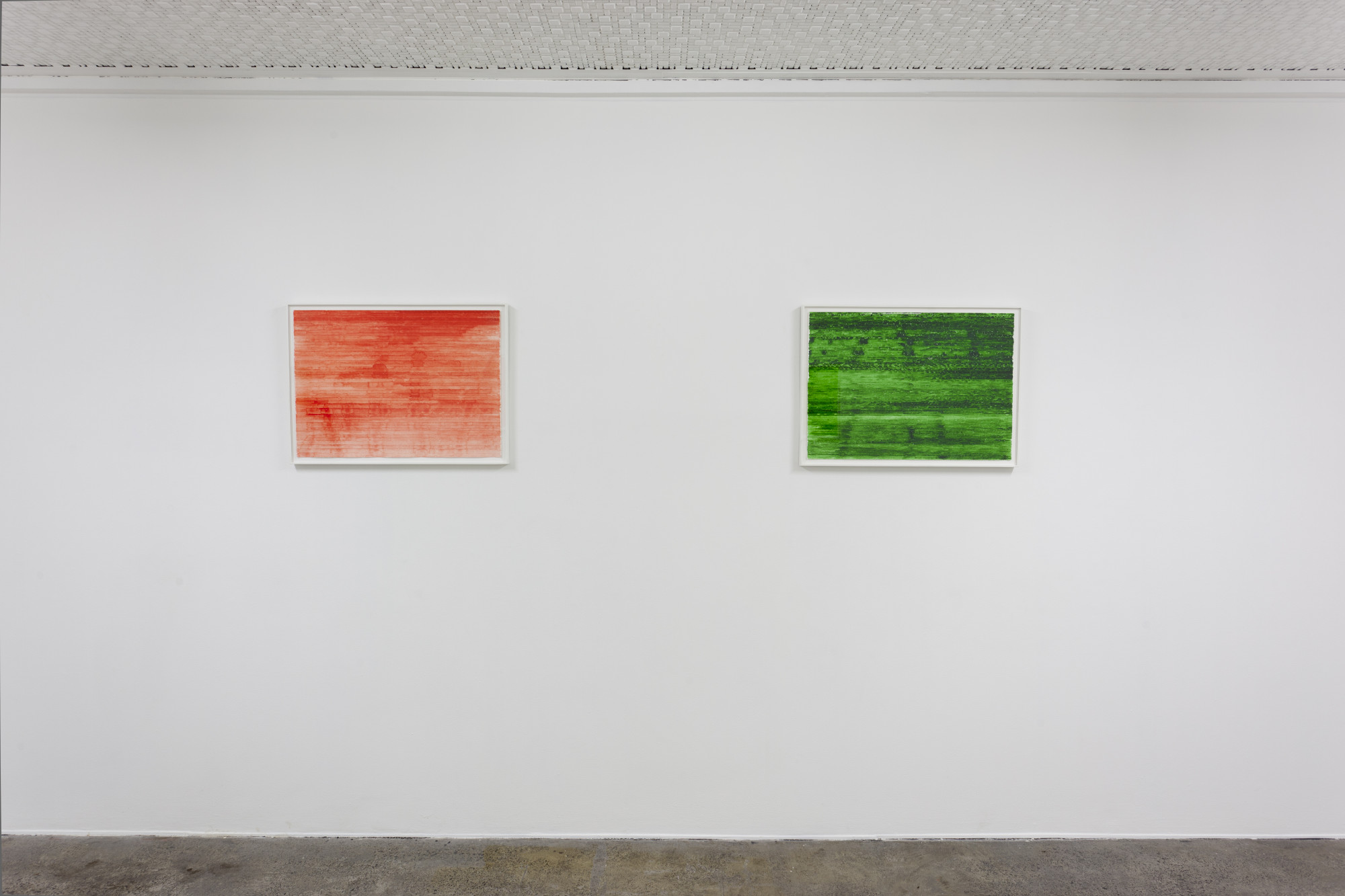
Patricia Dauder, Red 1 Teahuppo, 2011, Green 2 Teahuppo, 2010
Courtesy the artist and ProjecteSD, Barcelona
Photographer: Sam Hartnett
Test Transmission
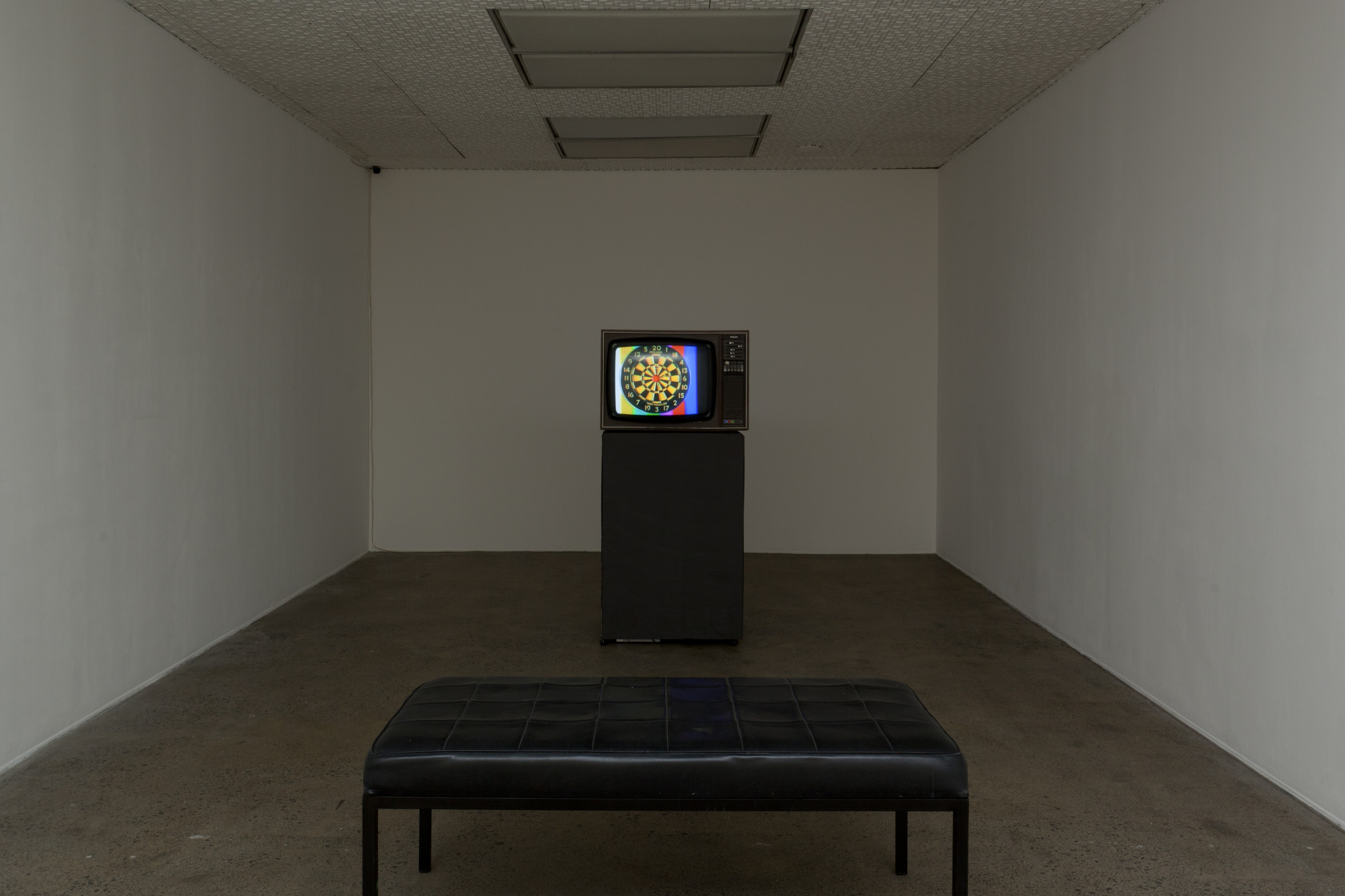
General Idea, Test Tube, 1979
Courtesy Electronic Arts Intermix (EAI), New York
Photographer: Sam Hartnett
General Idea
Patricia Dauder
Tobias Kaspar
Curated by Caterina Riva
Moving to a new place calls for a re-evaluation of the way we live, and a reassessment of our daily routine and its underpinned priorities.
Test Transmission brought together three bodies of work produced by two young European artists, Patricia Dauder from Spain and Tobias Kaspar from Switzerland, and by General Idea, the historic artist collective from Canada. Despite having being created in different time periods and serving varied working criteria, the choice of these pieces responds to fragments of a new life, in a new place, following new visual and social stimuli.
Test Tube is a video made for television in 1979 by GI’s AA Bronson, Felix Patz and Jorge Zontal. The trio pioneered the employment of media strategies to problematise the system of art while highlighting its links to pop culture and affinities with consumerism.
"The work by the Canadian collective, done in 1979, is a video where a group talk about being on television. The participants are constantly drinking from test tubes, which allegedly contain the essence of artistic experimentation. Their ideas about how art and video might relate are rather out of date; the video is no longer the enemy but now the tool of art.
Nevertheless, despite some awkwardness, the video itself is often very beautiful, with large areas of plain colour that inject bursts of energy." - T.J McNamara, NZ Herald News, 2011
Patricia Dauder’s bidimensional pieces are the result of a lengthy and extremely accurate process of selecting and working with drawing surfaces and painting materials which, despite the absence of a clear narrative, suggest in their final output an odd sense of familiarity.
Dauder is described as having "an anachronistic fixation on physical materials" - through her attention to the textural and aesthetic qualities of watercolour. "Her work is related to her filming of waves breaking on a beach and her horizontal lines suggest waves. The colour is unusual and intense, and the reference to the tides supported by an image of the moon." - T.J. McNamara, NZ Herald News, 2011
Tobias Kaspar’s installation deconstructed language sculpturally and simultaneously isolated fragments of images, making the viewer lose temporarily a sense of purpose and demanding them to question the medium and the message.
"Kaspar shows photographs of jogging, described in the accompanying literature as "the perennial pastime of the bourgeois bore; at once the icon of suburban absurdity and earnest Beckettian perseverance". The word JOGGING is made up of large letters cut from wood scattered on the walls of the main gallery. Each letter has a sharp image of legs, the under-soles of trainers and a variety of tracksuits.
Some of the images are quite telling, like a letter G with a runner wearing adidas watched with intense curiosity by spectators on the balcony of a distant apartment. Breaking up the word certainly affects the meaning and perception of the action." - T.J. McNamara, NZ Herald News, 2011
The artists, from different viewpoints, seem to tackle an idea of dislocation in relation to a place but also to subvert any stable definition of image making or of their artistic endeavors, requiring the audience’s alertness and insight.