Ice Blueprint: Northern Pieces 冰蓝图:北方碎片
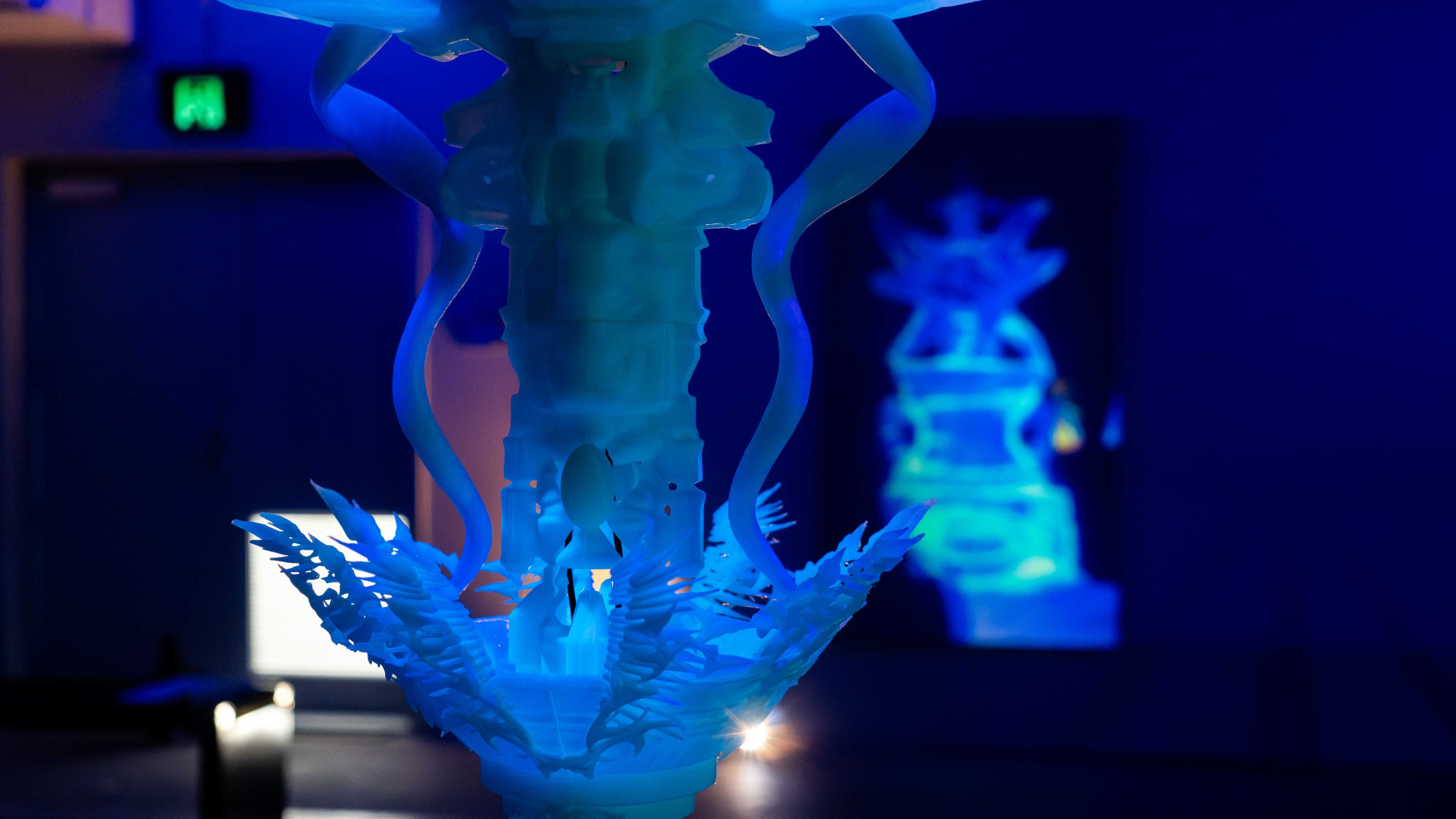
Xi Li 李曦, Ice Blueprint: Northern Pieces 冰蓝图:北方碎片, 2025. Install view.
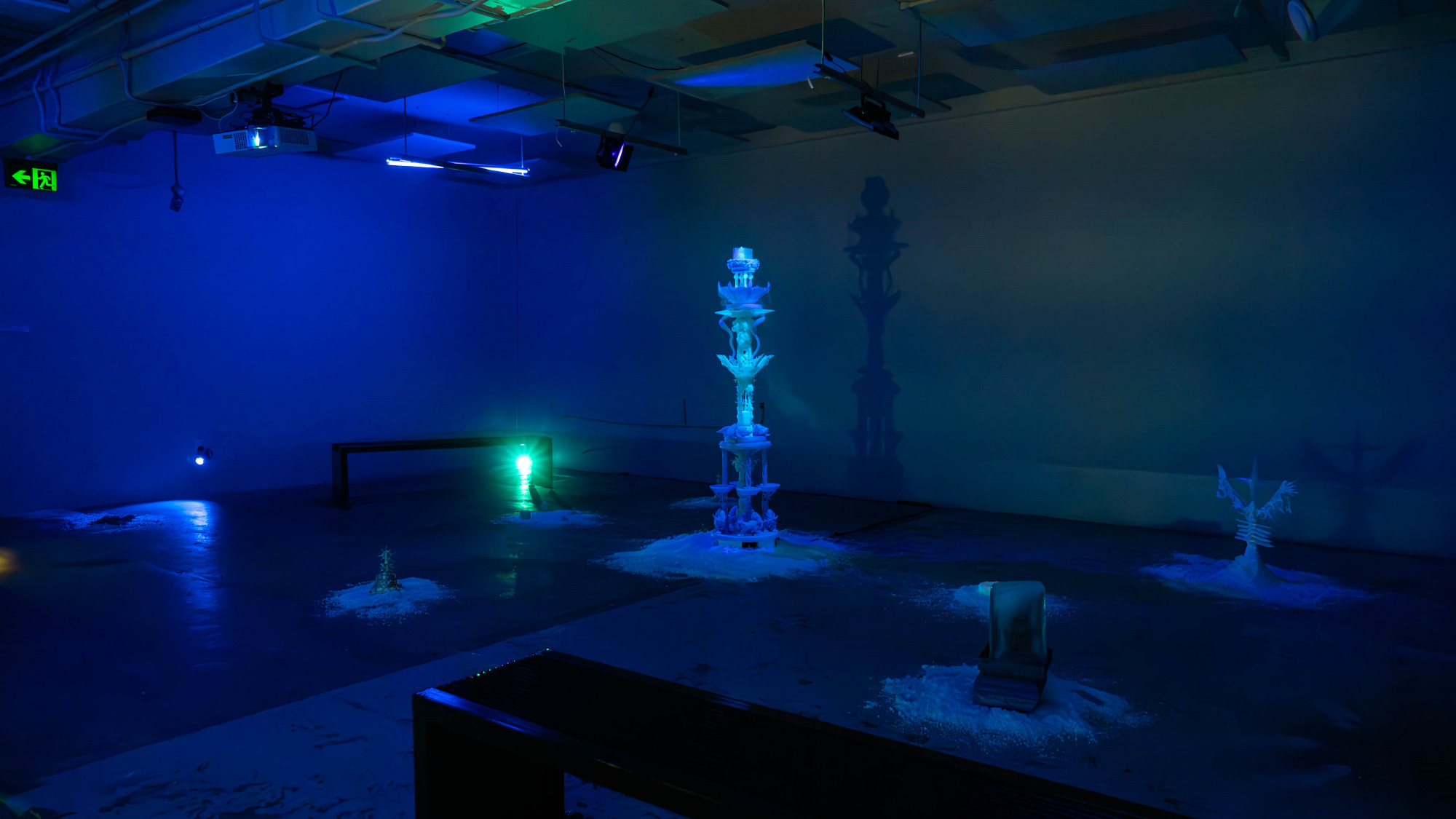
Xi Li 李曦, Ice Blueprint: Northern Pieces 冰蓝图:北方碎片, 2025. Install view.
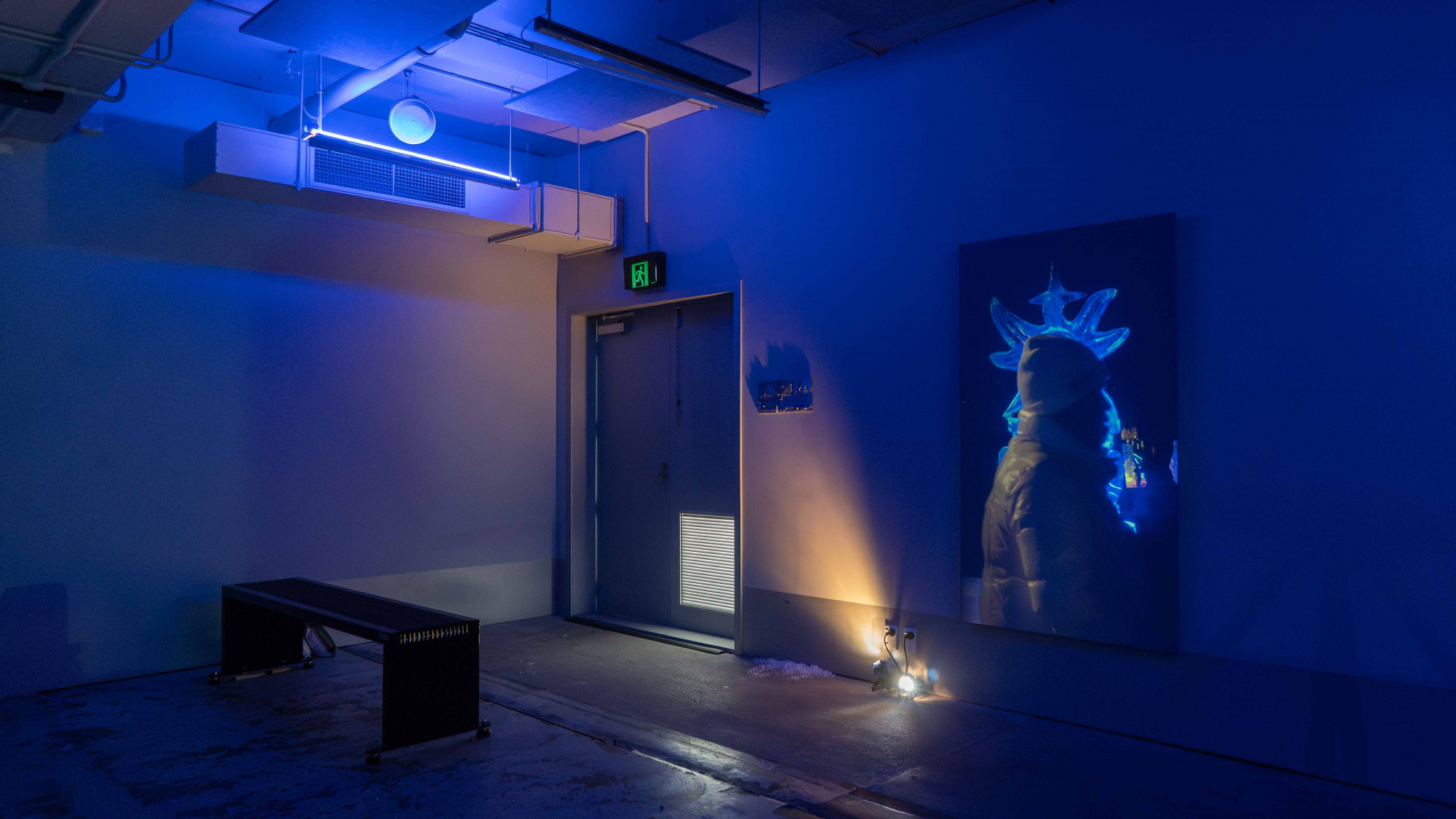
Xi Li 李曦, Ice Blueprint: Northern Pieces 冰蓝图:北方碎片, 2025. Install view.
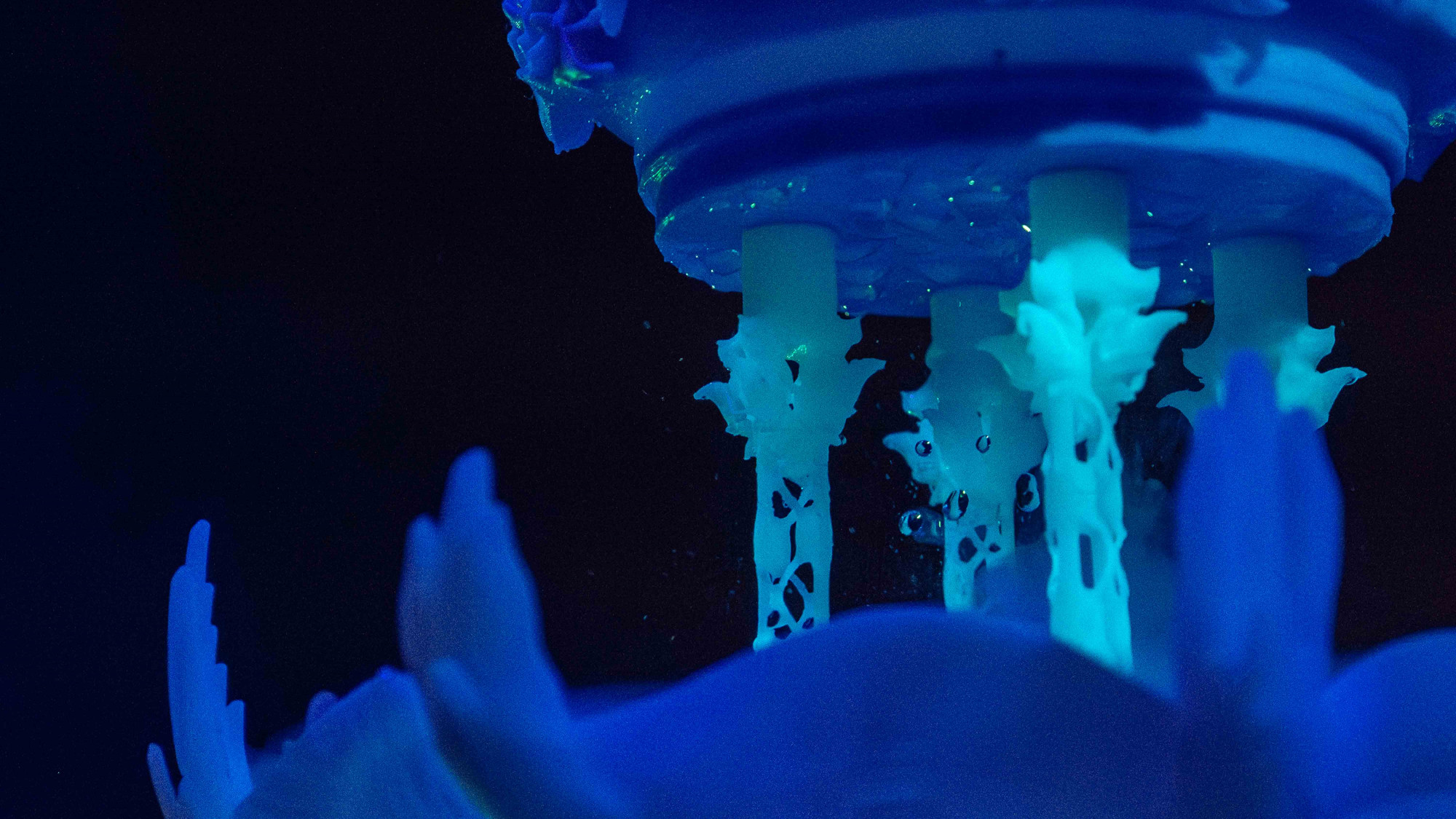
Xi Li 李曦, Ice Fountain, 2025, 3D print. Detail.
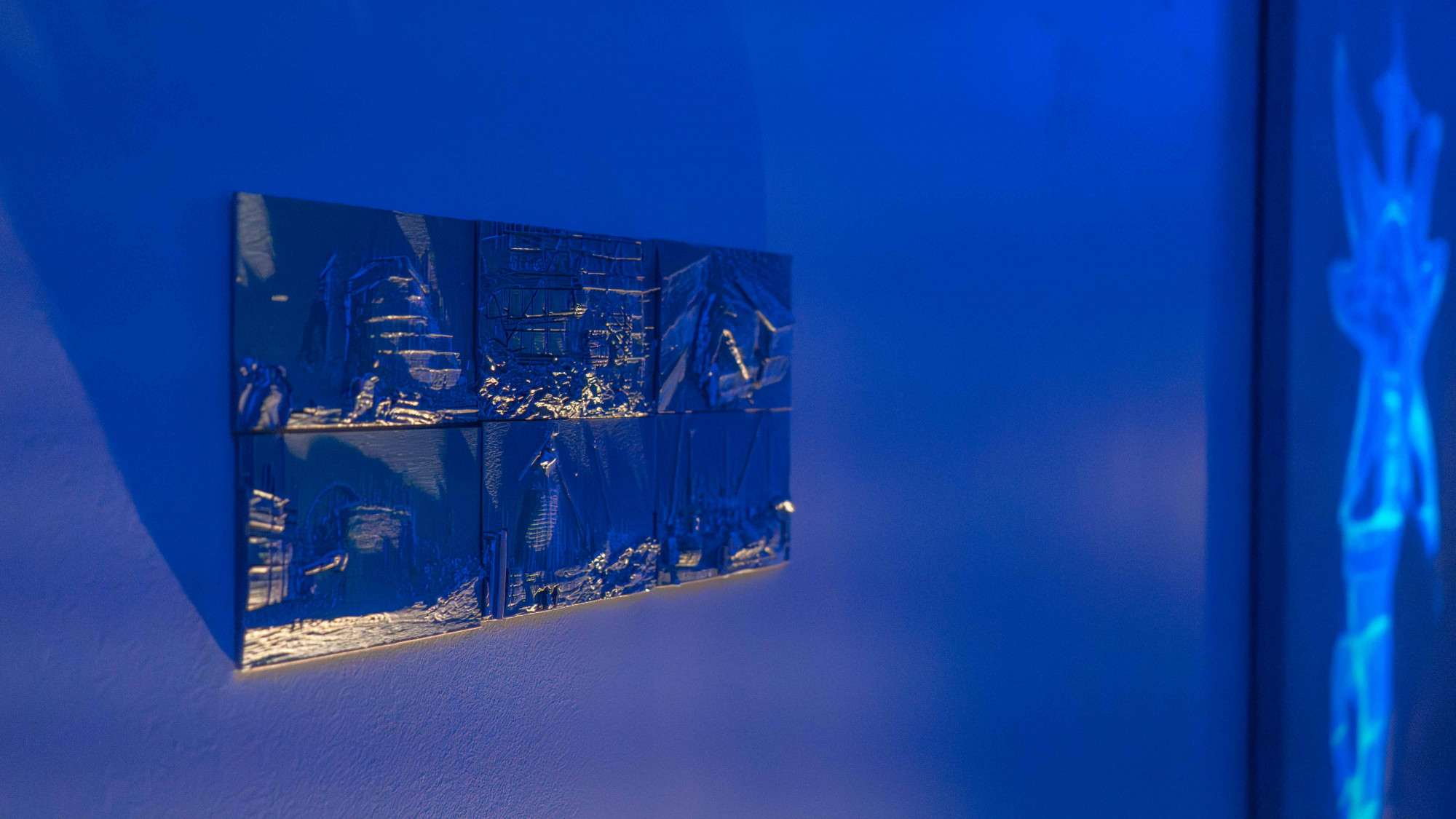
Xi Li 李曦, Relief Series, 2025, 3D print. Detail.
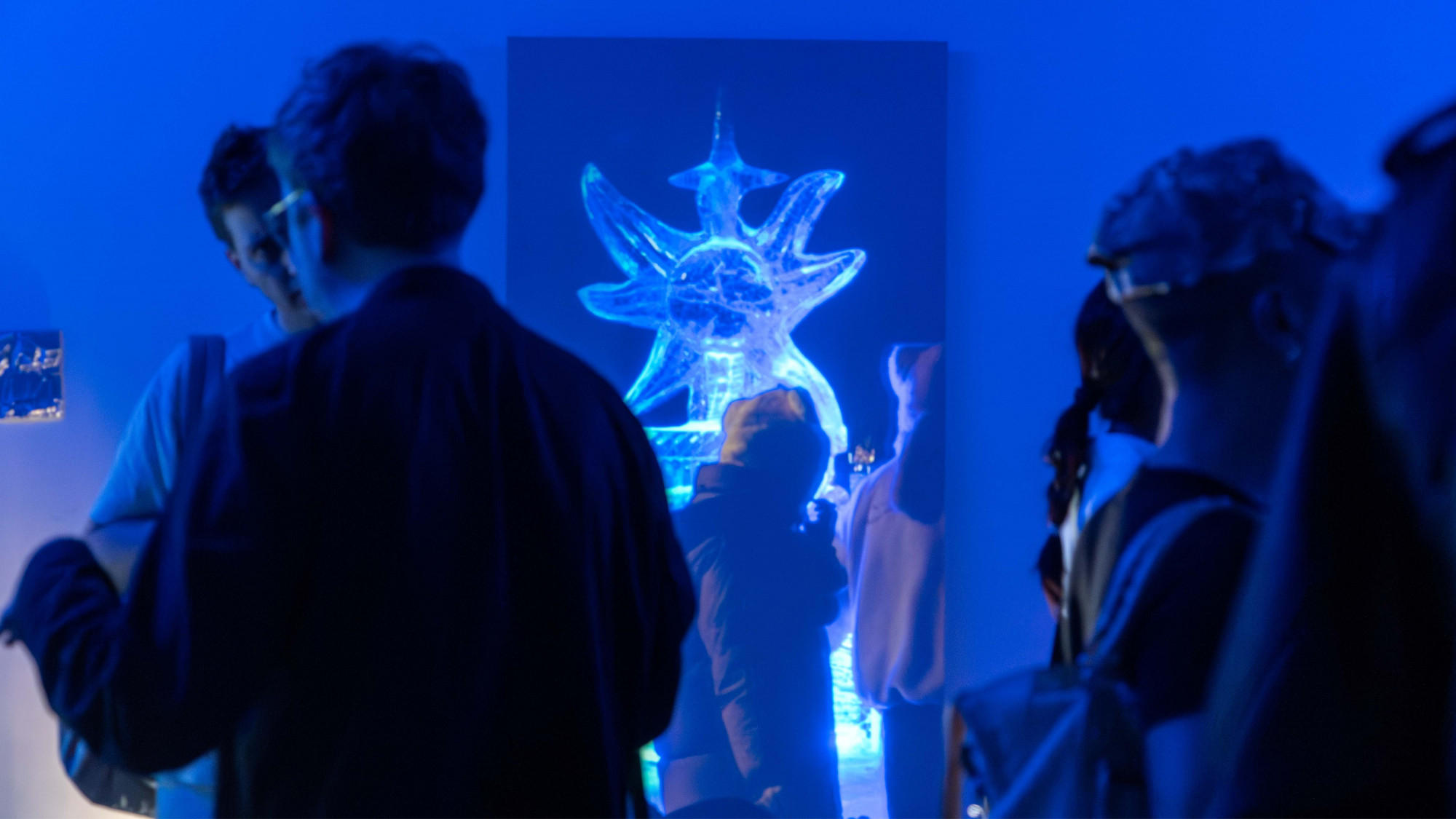
Xi Li 李曦, Transcendence in Pixels, 2025, single channel HD video, colour, audio on speakers, 2min 25sec, looped.
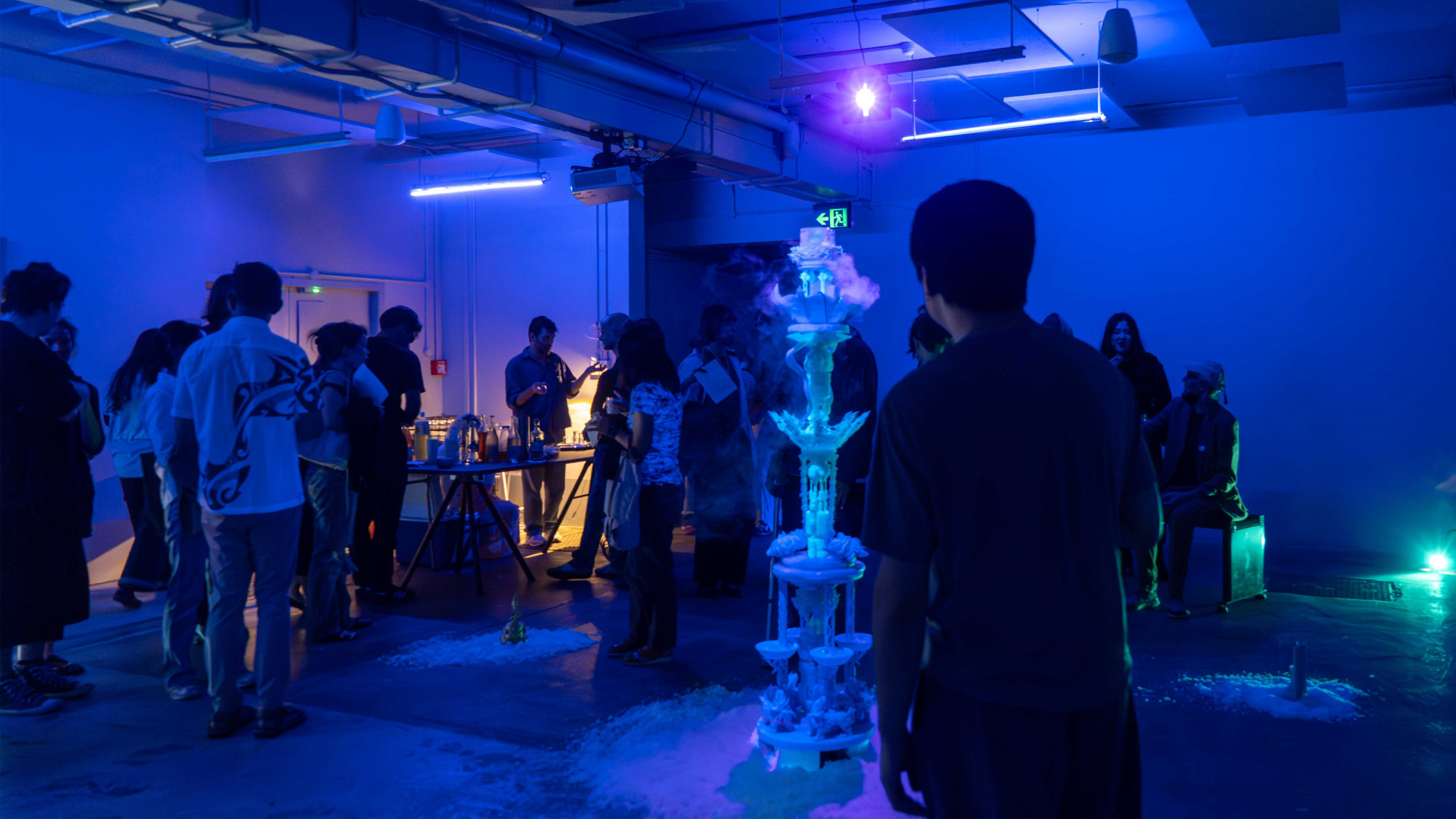
Opening event of Xi Li 李曦, Ice Blueprint: Northern Pieces 冰蓝图:北方碎片, 20 November 2025.
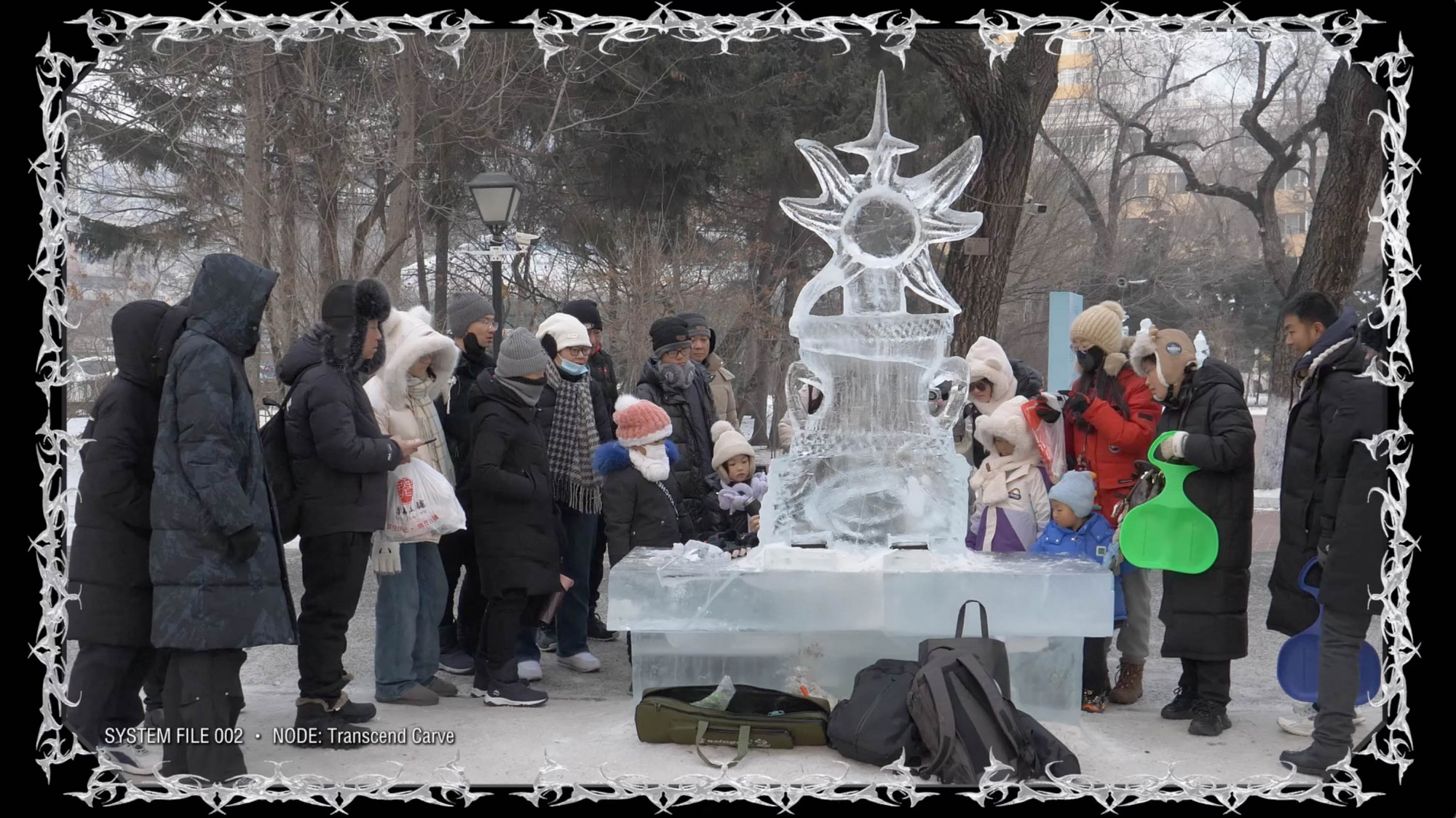
Xi Li 李曦, FIELD TRACES, 2025, single channel HD video, colour, audio on speakers, 43min 46sec, looped.

Xi Li 李曦, FIELD TRACES, 2025. Installation view. Single channel HD video, colour, audio on speakers, 43min 46sec, looped.
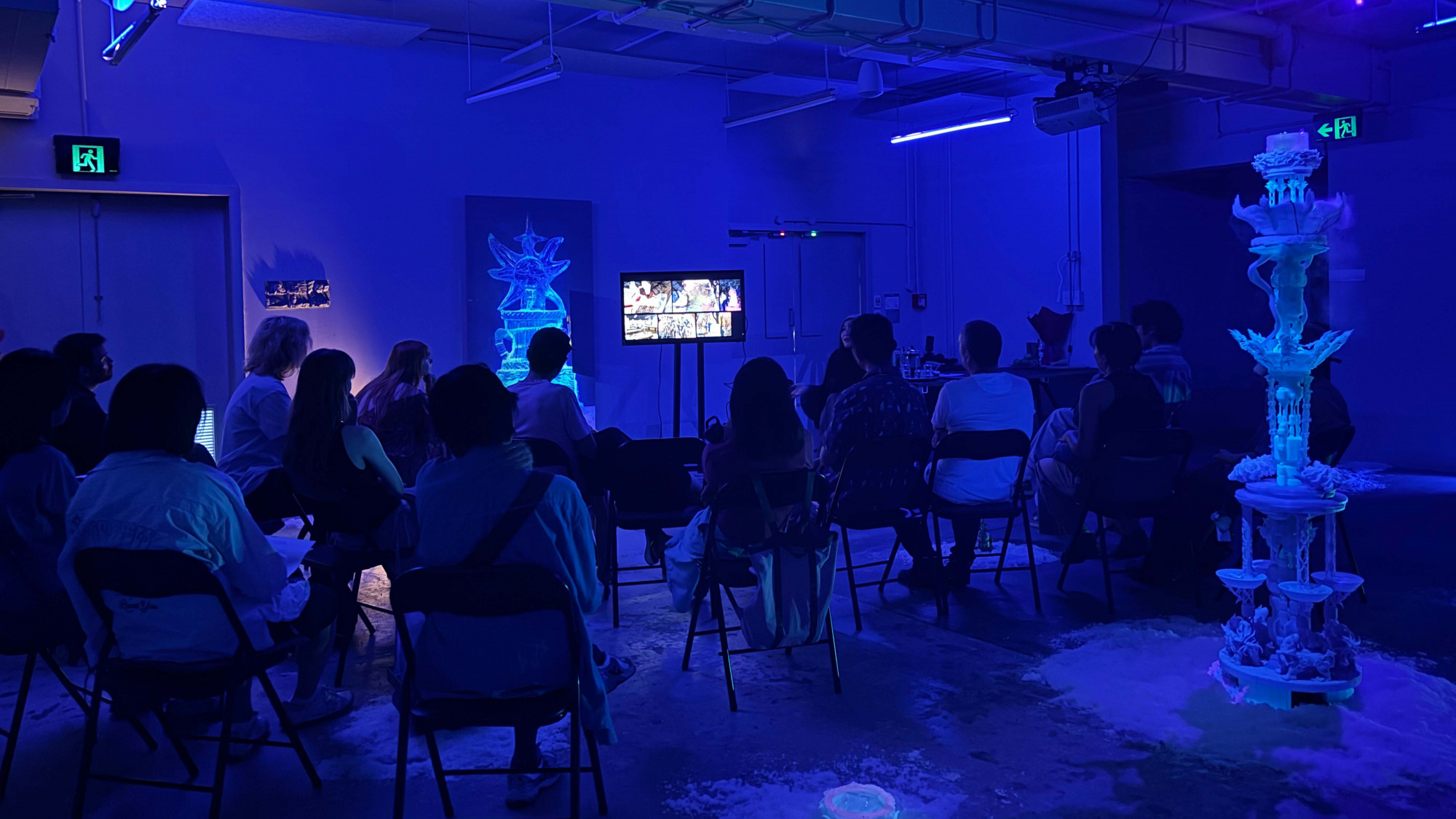
Artist talk as part of Ice Blueprint: Northern Pieces 冰蓝图:北方碎片 by Xi Li 李曦, 22 November 2025.
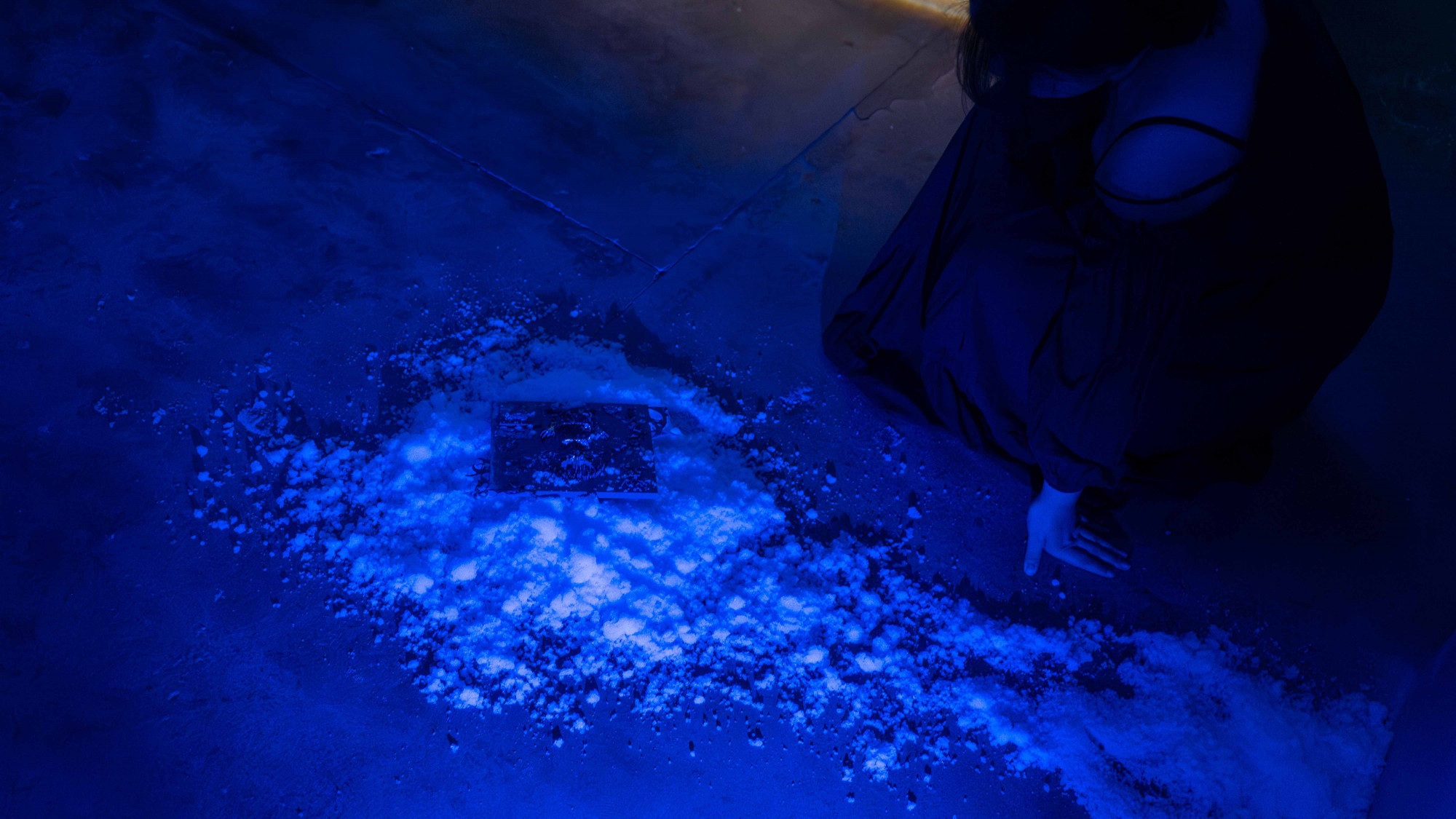
Xi Li 李曦, Ice Blueprint: Northern Pieces 冰蓝图:北方碎片, 2025. Install view.

Xi Li 李曦, Ice Fountain, 2025. Detail.
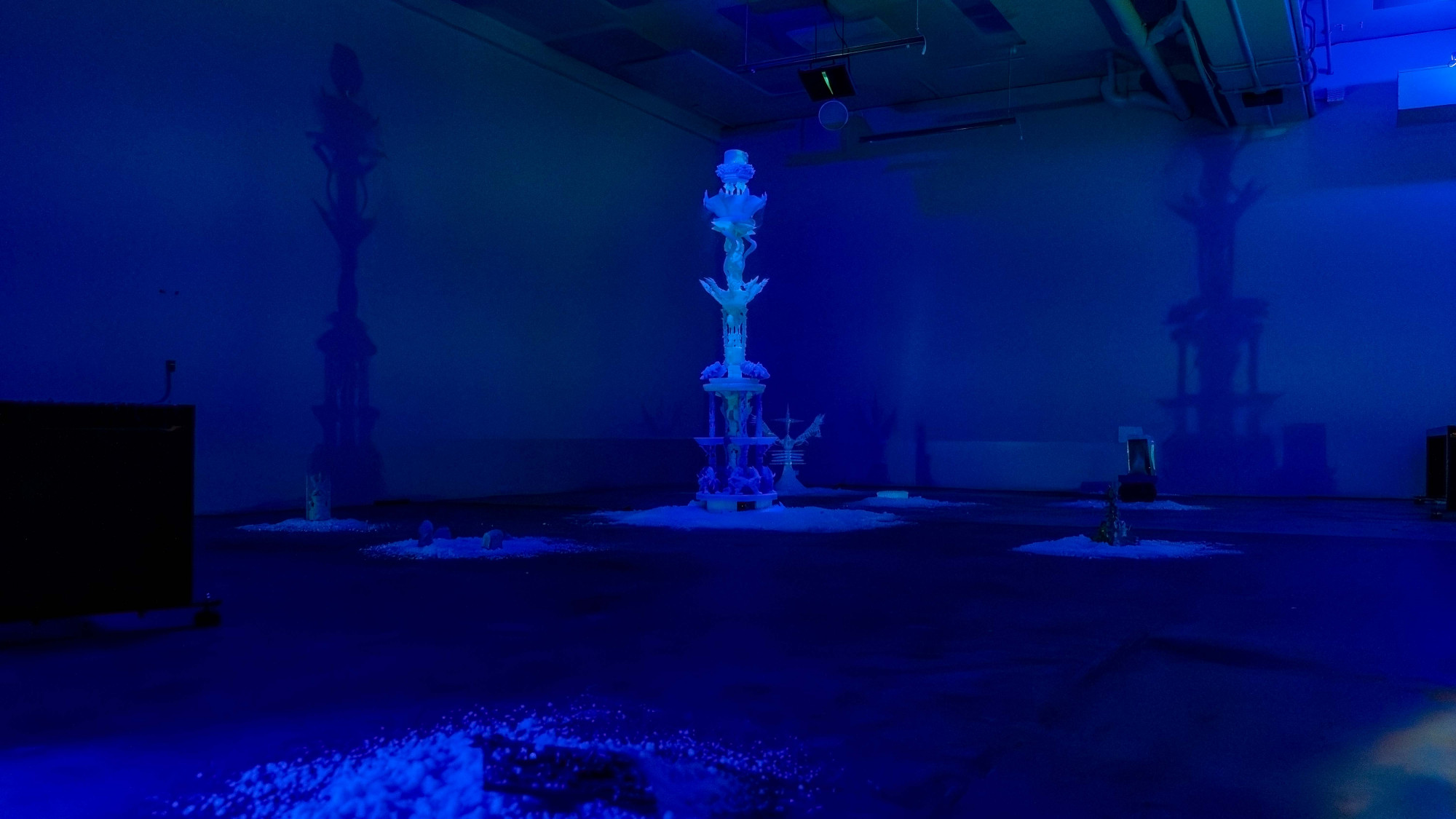
Xi Li 李曦, Ice Blueprint: Northern Pieces 冰蓝图:北方碎片, 2025. Install view.
Open hours:
Tuesday–Friday, 11am–6pm
Saturday, 11am–4pm
Events:
Exhibition opening: Thursday 20 November 6–8pm
Artist talk with Xi Li 李曦 and Harbin style BBQ: Saturday 22 November 2–4pm Read more
Exhibition text
In China’s far north, ice for Harbin is cut from the Songhua River, the waterway that sustains the city. Each winter, from November to April, the river seals into a thick, solid sheet under temperatures that fall to minus twenty degrees. For half of the year, people’s lives are determined by the cold, their everydays shaped in the intervals between freezing and thawing. Over the past century, Harbin has lived through an almost mythic sequence of upheavals: from imperial traces and colonial shadows, to the rise to the decline of heavy industry. Each generation remembers the city in a different way with multiple narratives settling into the city’s spaces.
On February 7, 1963, the first Ice Lantern Festival in Harbin took place in Zhaolin Park right next to the river. In 1999, Harbin Ice and Snow World opened. Ice sculptures, ice flowers, and ice castles expanded from the cultural life of citizens and the city into large-scale production and ice-and-snow economy. What tensions has the ice of the Songhua River absorbed? What hope does it continue to hold beneath its surface?
In Xi Li’s practice, digital creation and on-site documentation face in two different directions: one toward the future, the virtual, and the computational; the other toward the tangible, the residual, and the archives. This fracture is a contradiction and a method, a generative interval between psychological, aesthetic, geographical, and historical distances. Through digital, mechanical, and precise means, Xi Li approaches what is blurred, emotional, and eroded by time. She creates vessels to hold unstable bodies of ice, using the most controlled techniques of digital modeling and fabrication. The ceaseless becoming-water of ice has become the anchor of her translation and transformation. From cloud to ice, and ice back into water, inscribes nature’s logic and a memory system of the body and digital realities.
Ice Blueprint: Northern Pieces explores the artist’s hometown Harbin's entangled contemporary cultural fabric, the political structure of its ice-and-snow industry, and the fragile sediments of the artist’s distance and immigration. At the centre of the gallery stands installation Ice Fountain (2025) where ice, water, and mist are in continual transformation on top of an illuminated sculpture. The ice in the gallery melts slowly with the passing of each day. Water molecules shift from order into flow, as energy is remembered and released, carrying the ice from its past into its future.
In the viewing room, documentary FIELD TRACES (2025) unfolds across four chapters. The artist ventured deep into the core sites of the world’s largest ice and snow festival, conducting covert visits to ice storage facilities and, through unplanned traversals of abandoned ice fields and encounters with the cutting of ice surfaces, captured the marginal and concealed urban and ecological spaces.
Ice Blueprint: Northern Pieces 冰蓝图:北方碎片 by Xi Li 李曦 is an exhibition of Xi Li’s long-term interdisciplinary project Ice Blueprint, which reinterprets the tradition of ice sculpture in Harbin into contemporary visual forms.
哈尔滨的冰来自松花江,这条城市的命脉在十一月到四月冬季零下二十度的严寒被完全冻实。在一年里一半的时间,人们需要找到和寒冷,和冰相处的方法。在冻结与融动之间安排居所、生产与想象。哈尔滨在最近的一百年间经历了魔幻般的跌宕起伏:从帝国的余绪到殖民的影子,从工业的兴起到衰落。没有哪一代人与上一代人对哈尔滨的城市经验是一致的。
1963年2月7日,哈尔滨第一届冰灯游园会在兆麟公园拉开帷幕。1999年,哈尔滨冰雪大世界开幕。冰雕,冰花,冰城堡,从文化生活扩大规模生产成为冰雪经济。松花江的冰消化了怎样的矛盾和断裂,又承载了怎样对于重振希望的共鸣?
在李曦的实践中,数字化的创造与现场的记录一个面向未来、虚拟与演算;一个观察具象、遗存与归档。这种裂缝,既是矛盾,也是方法,是艺术家生成的一段心理的、美学的、地理的、历史的间距。李曦用数字的、机械的、精确的手段,去逼近那些模糊的、情感性的、被时间冲淡的记忆。她创造出一个个容器,用最可控的打印承载着不稳定的冰体。水从云到冰、从冰归于水的过程是自然的逻辑,也是一种身体与技术的记忆系统。这不断进行的融化状态是她转述的锚点。
《冰蓝图:北方碎片》起于李曦对家乡哈尔滨近代文化杂糅的历史、冰雪产业的政治结构和个人迁徙的重新梳理。在展厅中央矗立着装置《冰泉》(2025),一座被照明的雕塑顶部持续进行冰、水、雾的转化。装置顶部的冰随着每天时间的推进慢慢融化,静态走向流动,能量从冻结到释放,从冰的过去到未来。
观影室里播放的影像记录 《FIELD TRACES》(2025) 分为四个章节,艺术家深入探访了这座世界最大冰雪节的核心场域,包括暗访储冰厂、非计划地穿越废弃冰场、拍摄切割冰面的现场,捕捉边缘与隐秘的城市和生态空间。
《冰蓝图:北方碎片》为李曦围绕“冰”展开的长期跨学科研究项目《冰蓝图》的一部分,探索哈尔滨传统冰雕的当代表达。
Thank you to our hospitality sponsors Dancing Sands Distillery and Angela’s Cocktails.
Biography
-
Xi Li 李曦 is an interdisciplinary artist, researcher and lecturer. She was born in Harbin, China, is currently based in Tāmaki Makaurau Auckland, Aotearoa New Zealand. Xi Li investigates the complexity and fluidity of subjective and collective experiences, particularly within diaspora, digital, and subcultural contexts.