The Blue Dome
Selina Ershadi
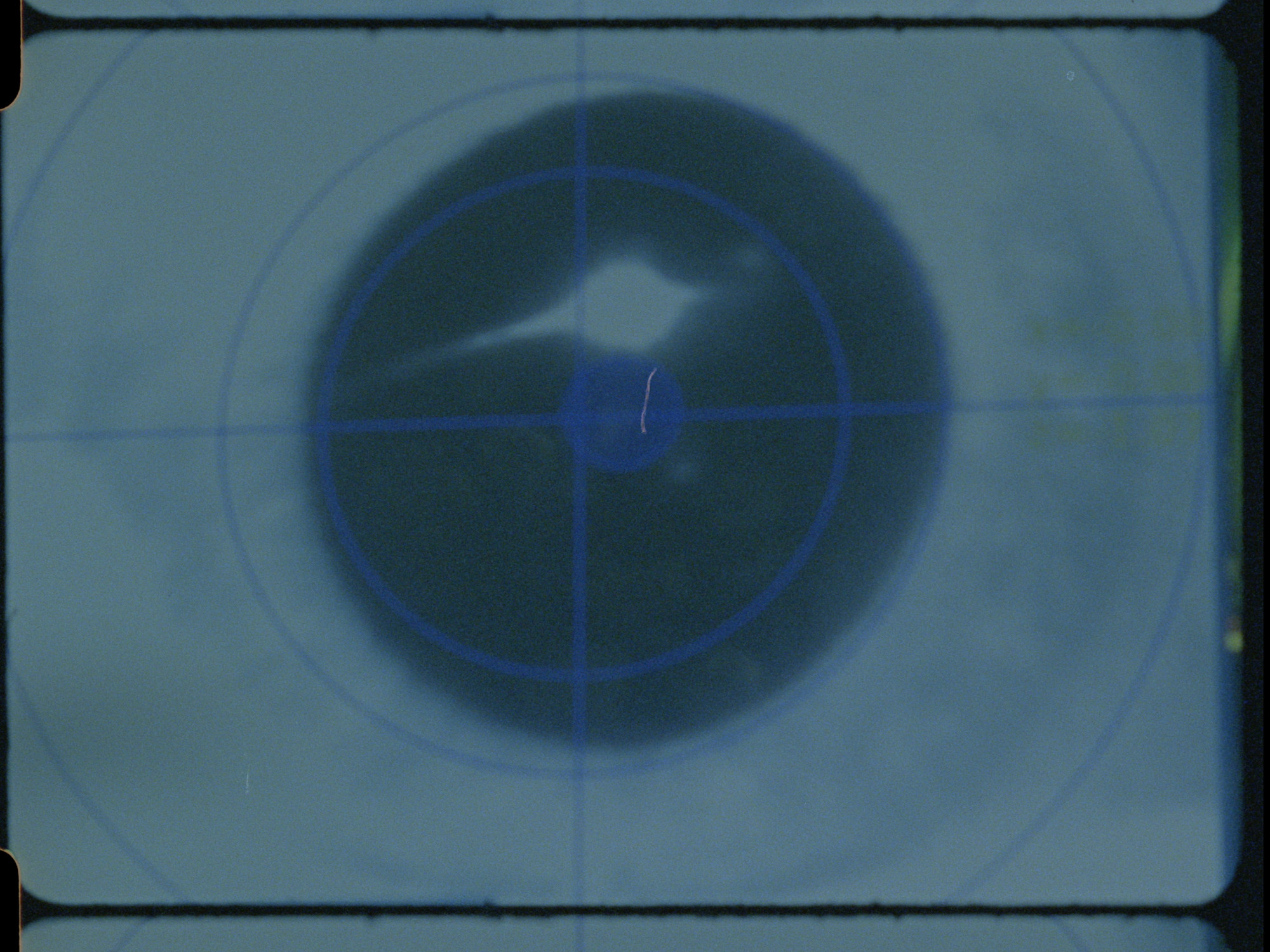
Selina Ershadi, work in progress, film still, 2026.
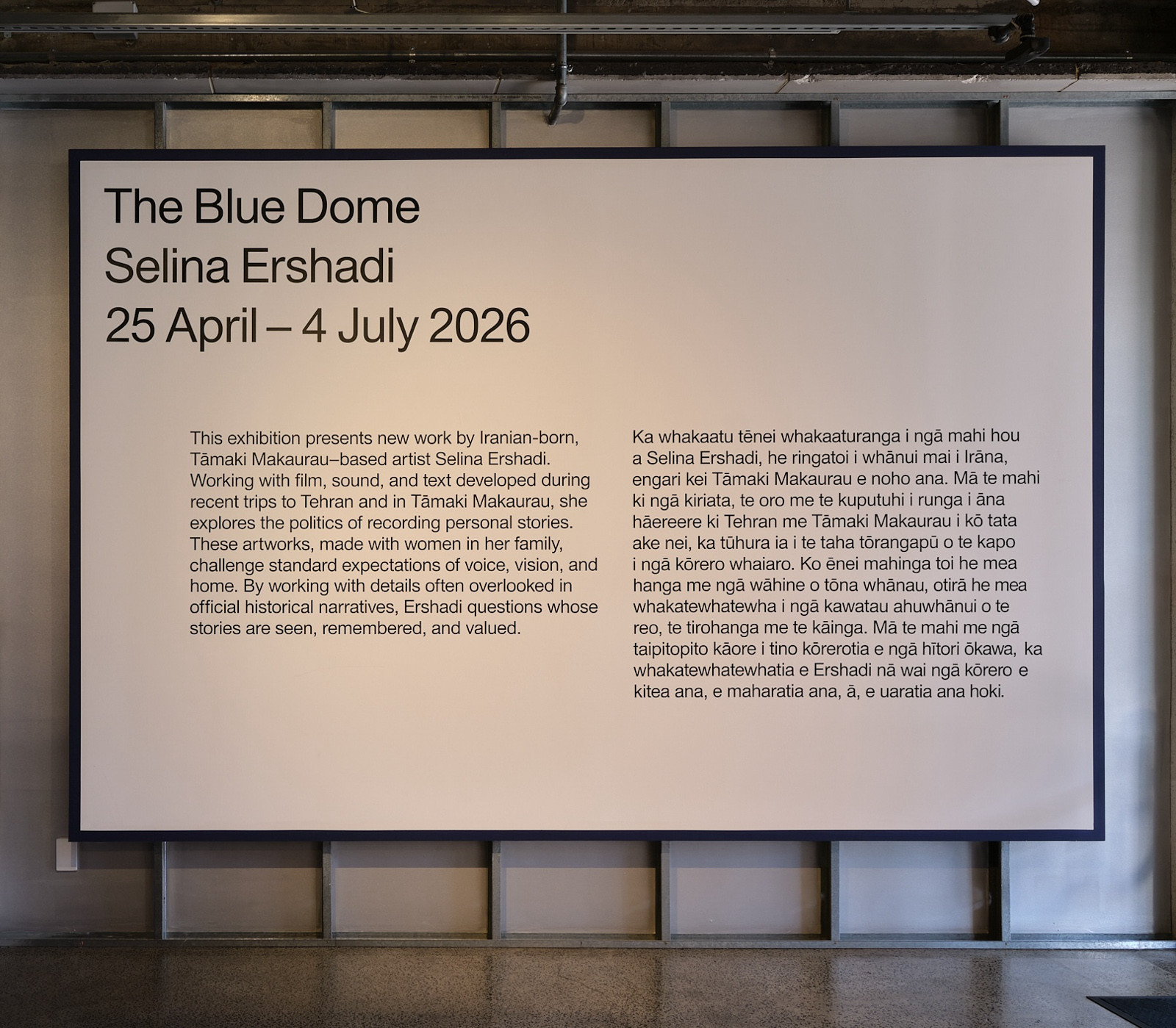
The Blue Dome, 2026. Installation view.
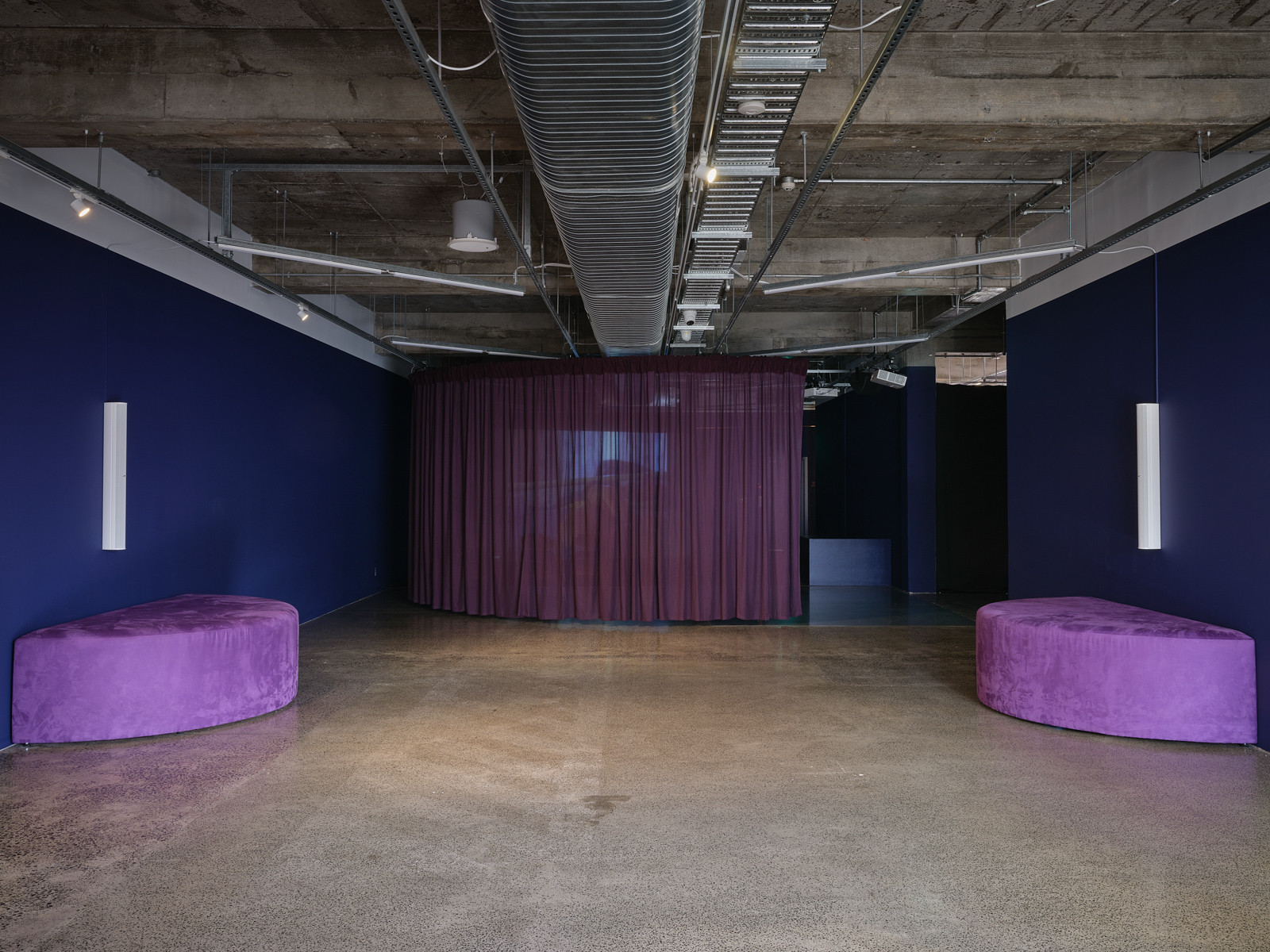
Selina Ershadi with Frances Libeau, passage, 2026. 2.1-Channel sound, 28’48” looped.
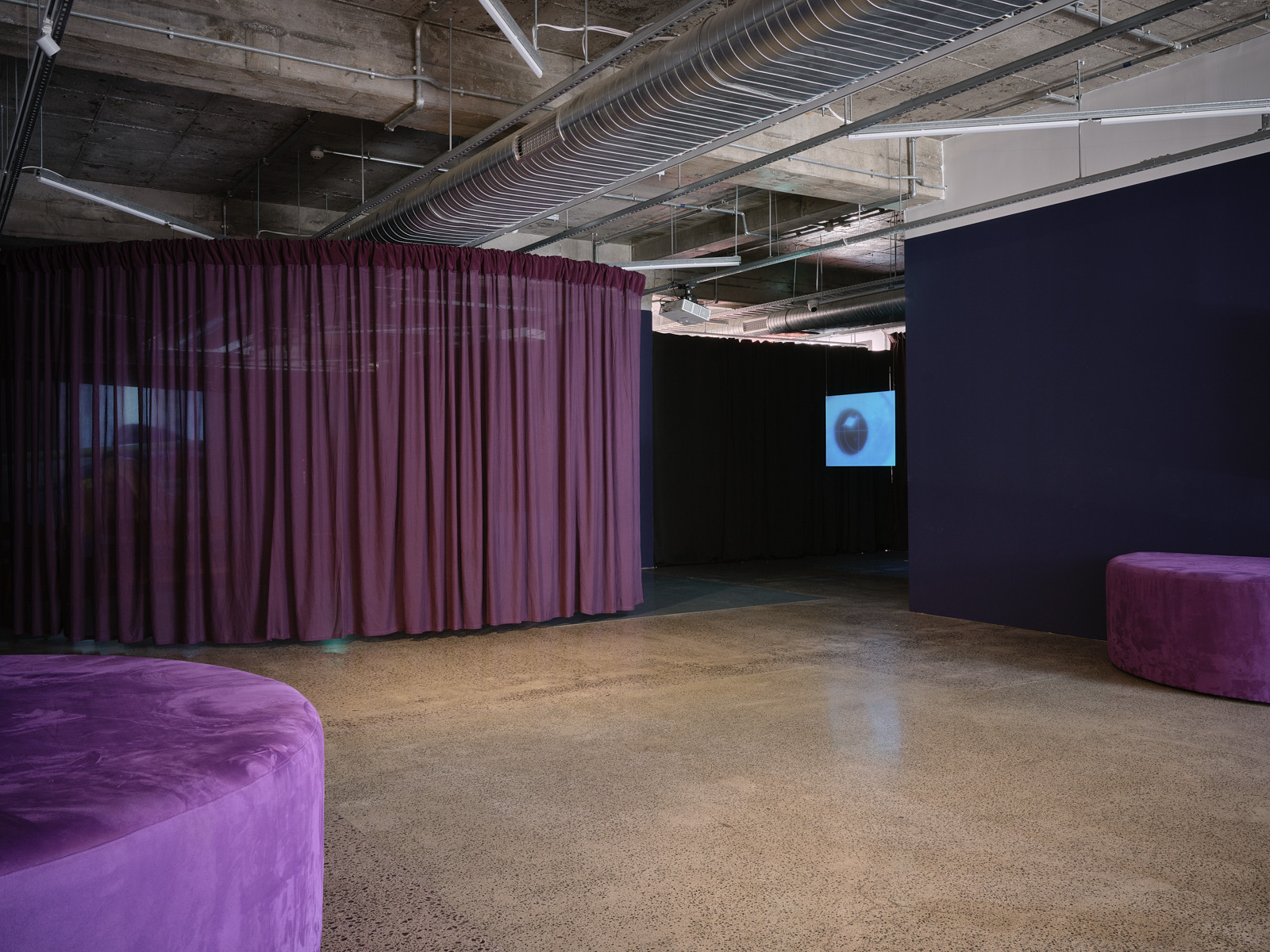
Selina Ershadi, The Blue Dome, 2026. Installation view.
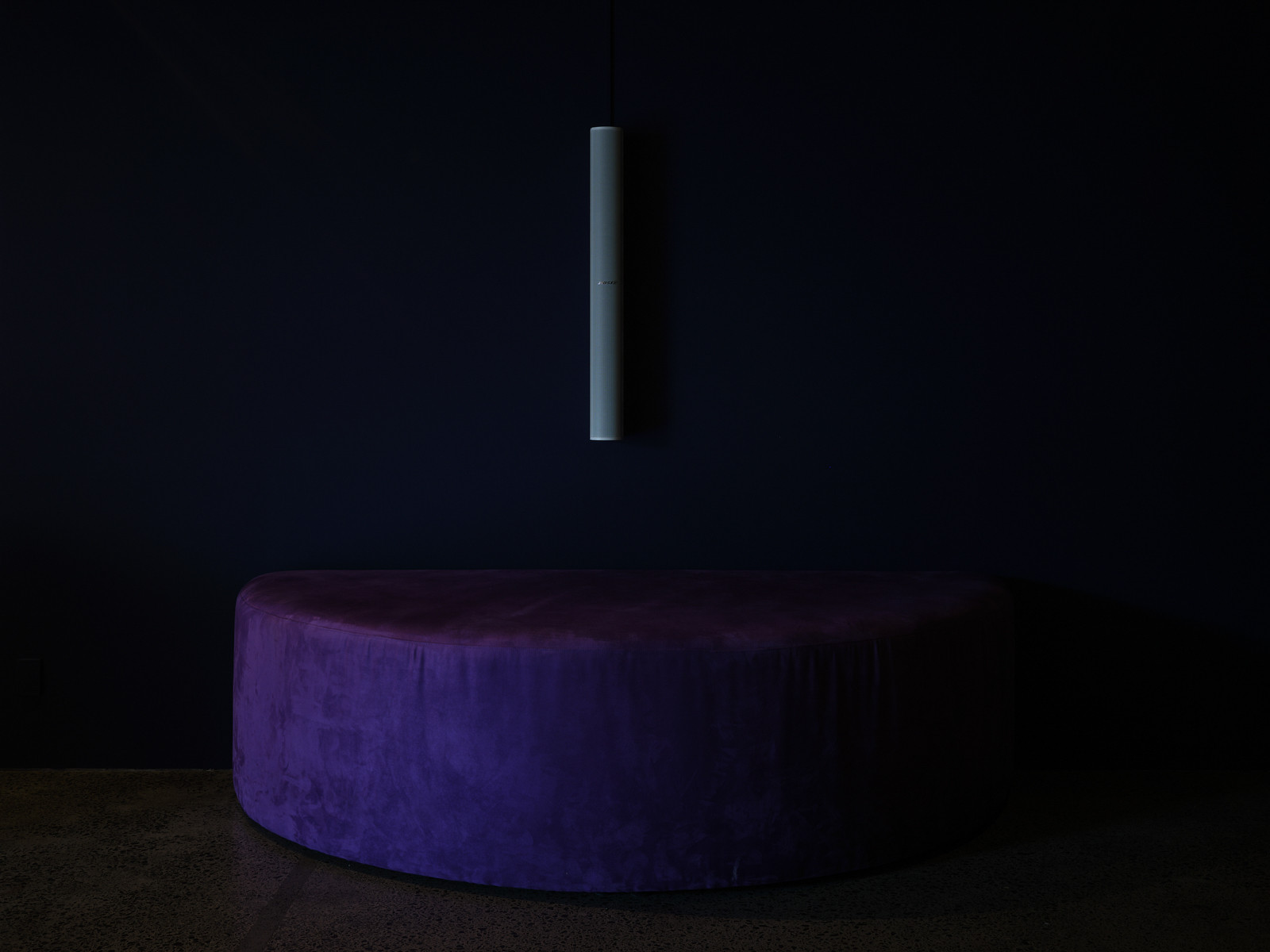
Selina Ershadi with Frances Libeau, passage, 2026. 2.1-Channel sound, 28’48” looped.
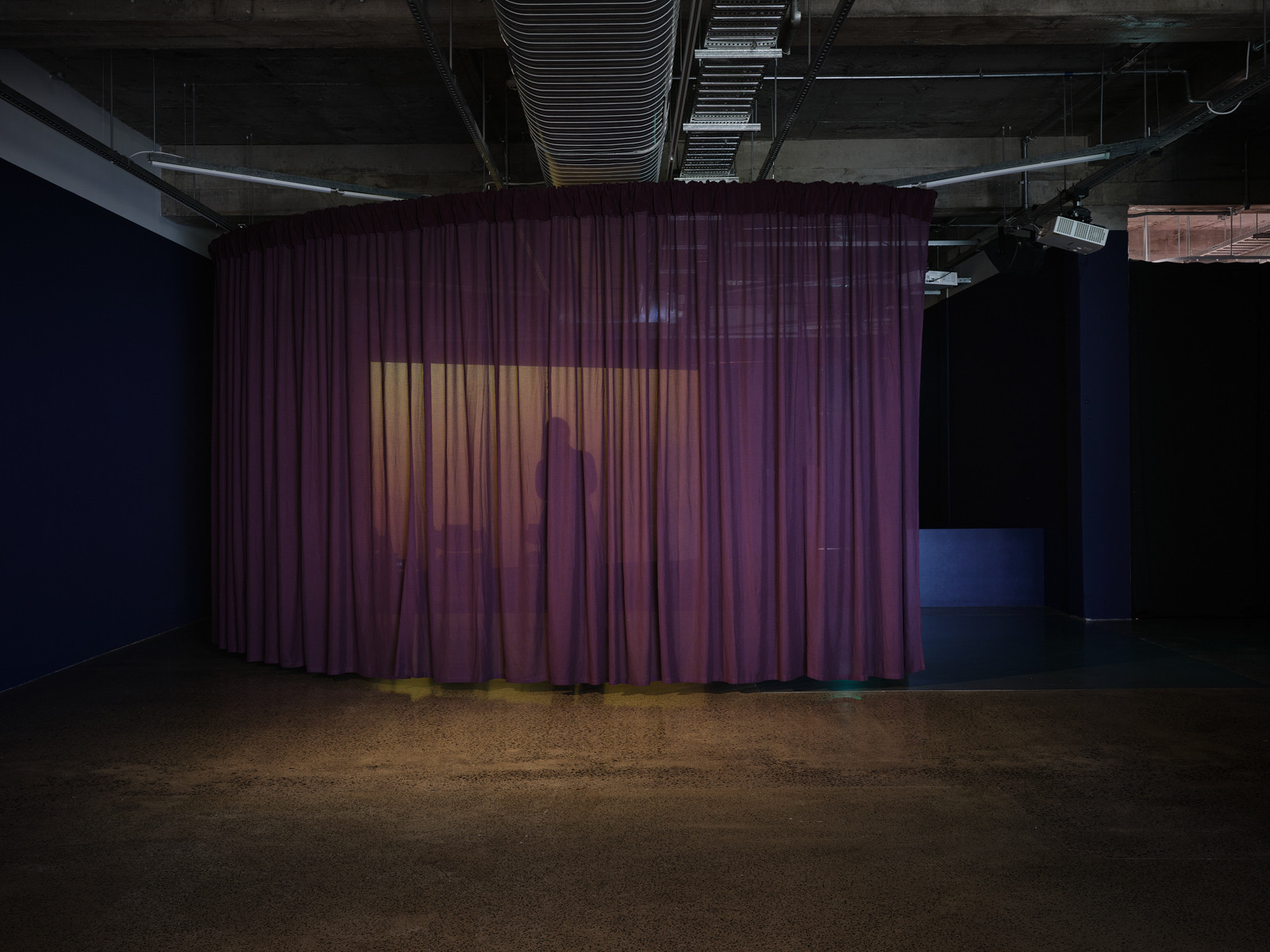
Selina Ershadi, The Blue Dome, 2026. Installation view.
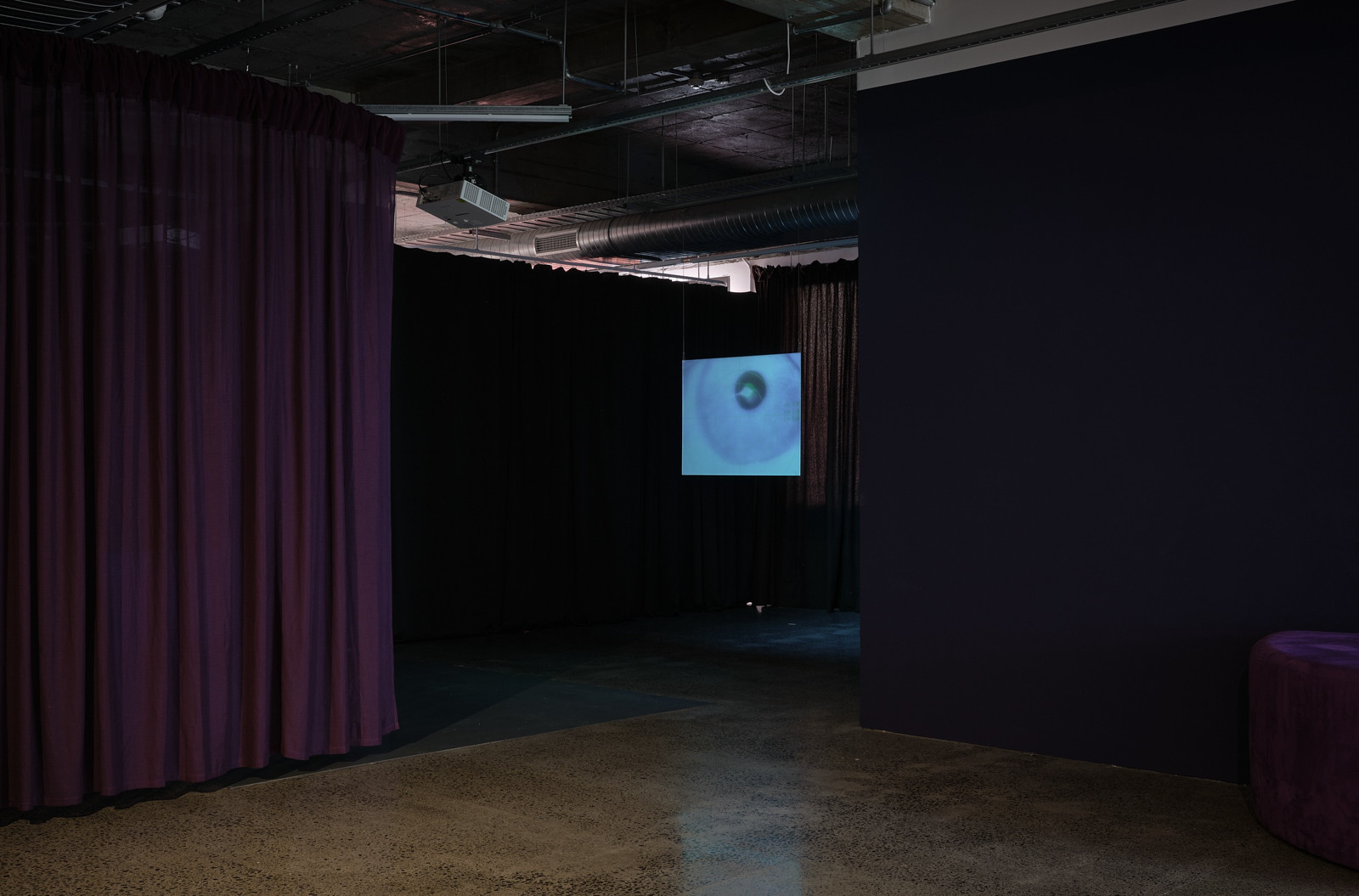
Selina Ershadi, The Blue Dome, 2026. Installation view.
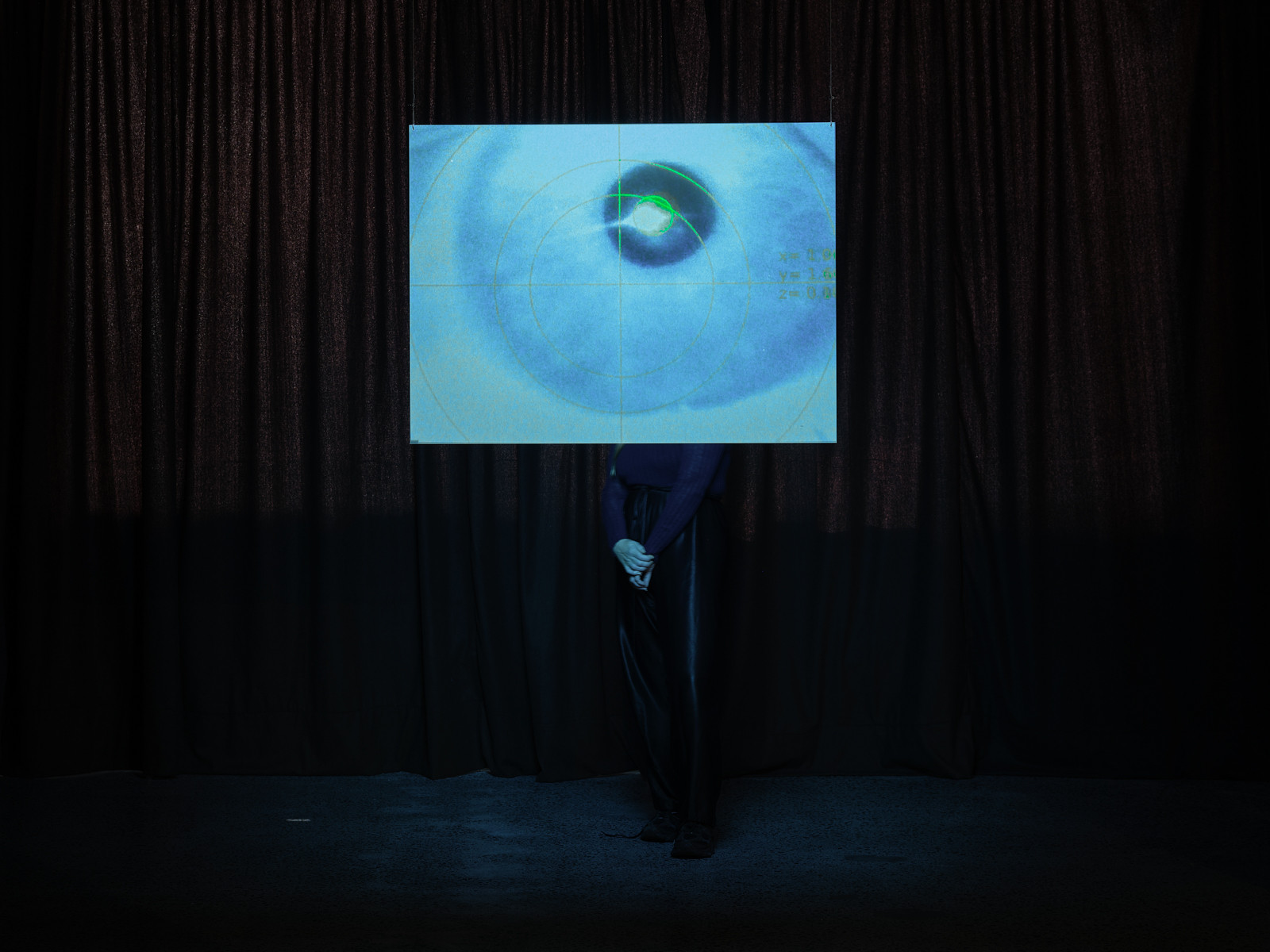
Selina Ershadi, An eye, open, 2026. 16mm Film transferred to data, colour, no sound, 2’44” looped; custom perspex screen, 105 x 78.8 cm.
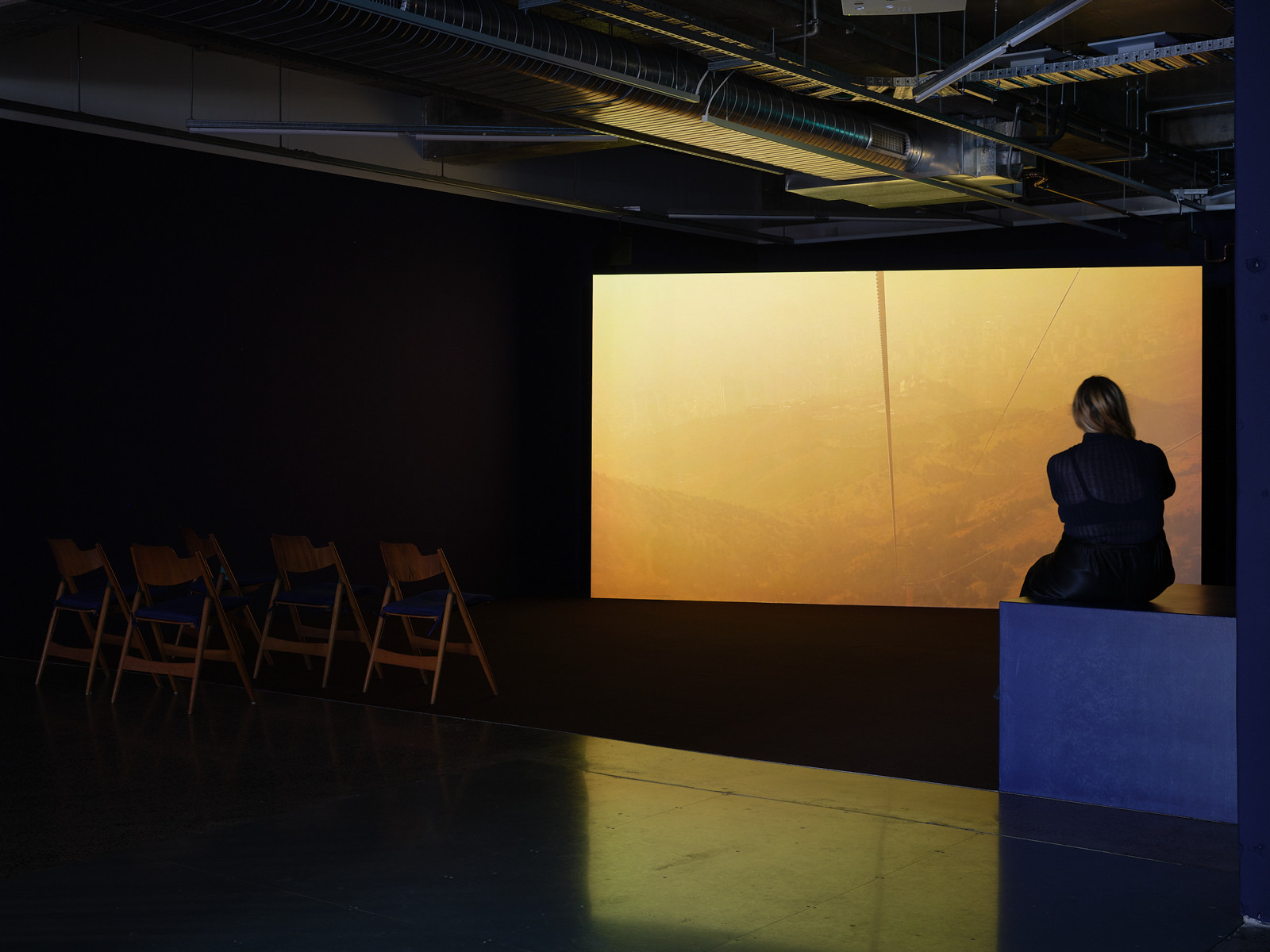
Selina Ershadi, The Blue Dome, 2026. 16mm Transferred to data, HD-digital video, colour, 4.1-channel sound, Farsi with English subtitles, 28’48” looped; custom screen, 455 x 245 cm.
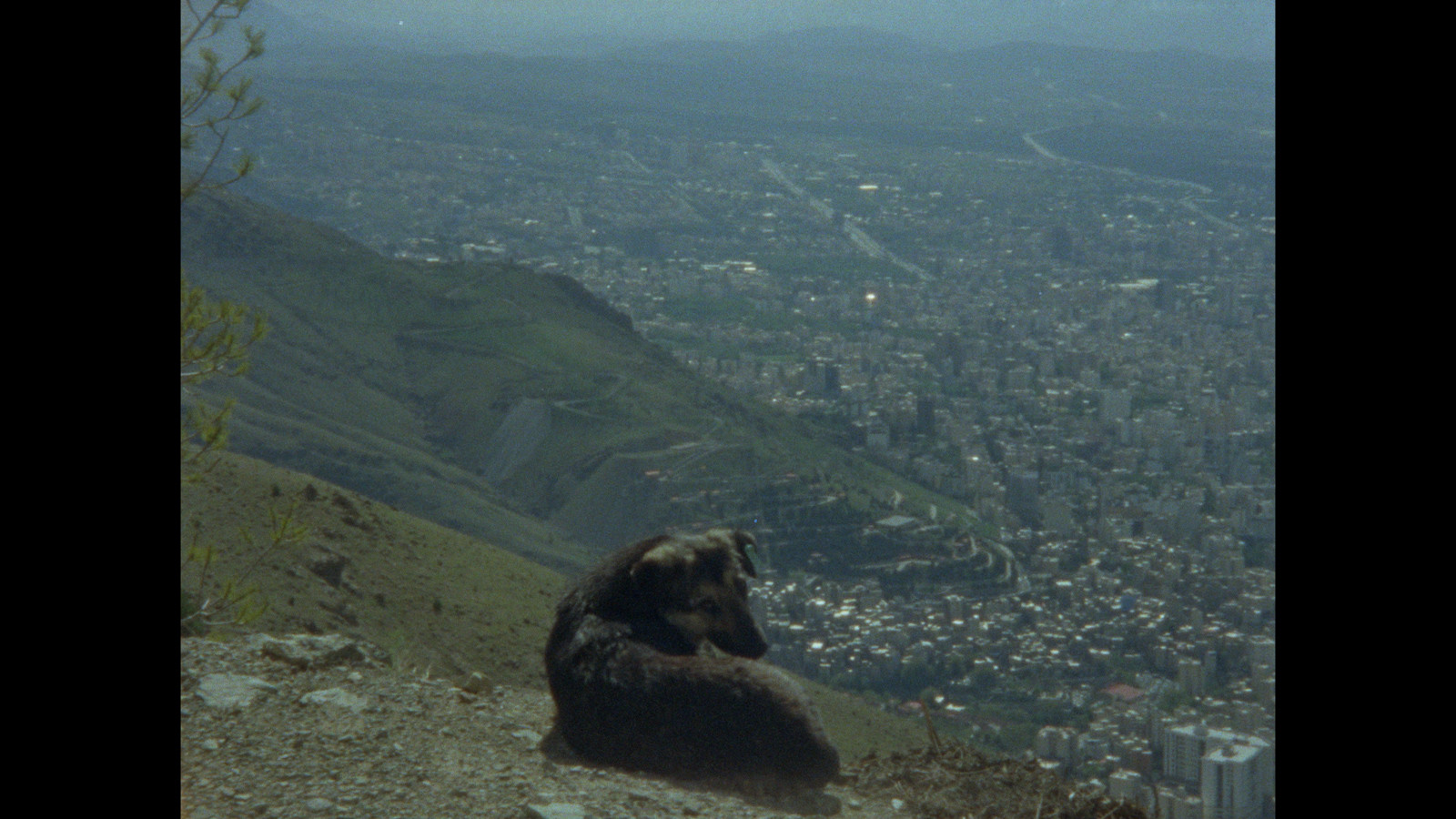
Selina Ershadi, The Blue Dome, 2026. Still.
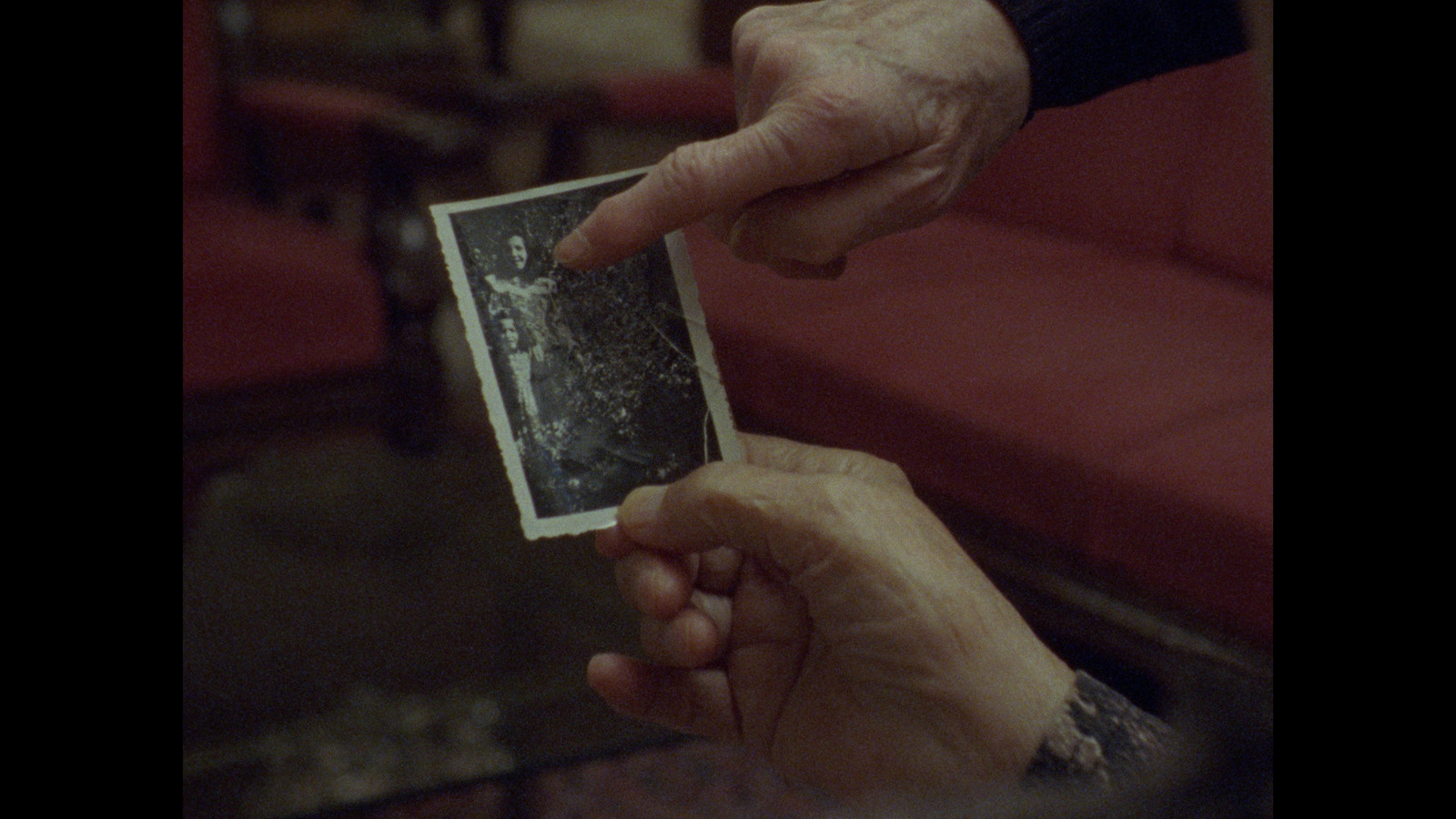
Selina Ershadi, The Blue Dome, 2026. Still.
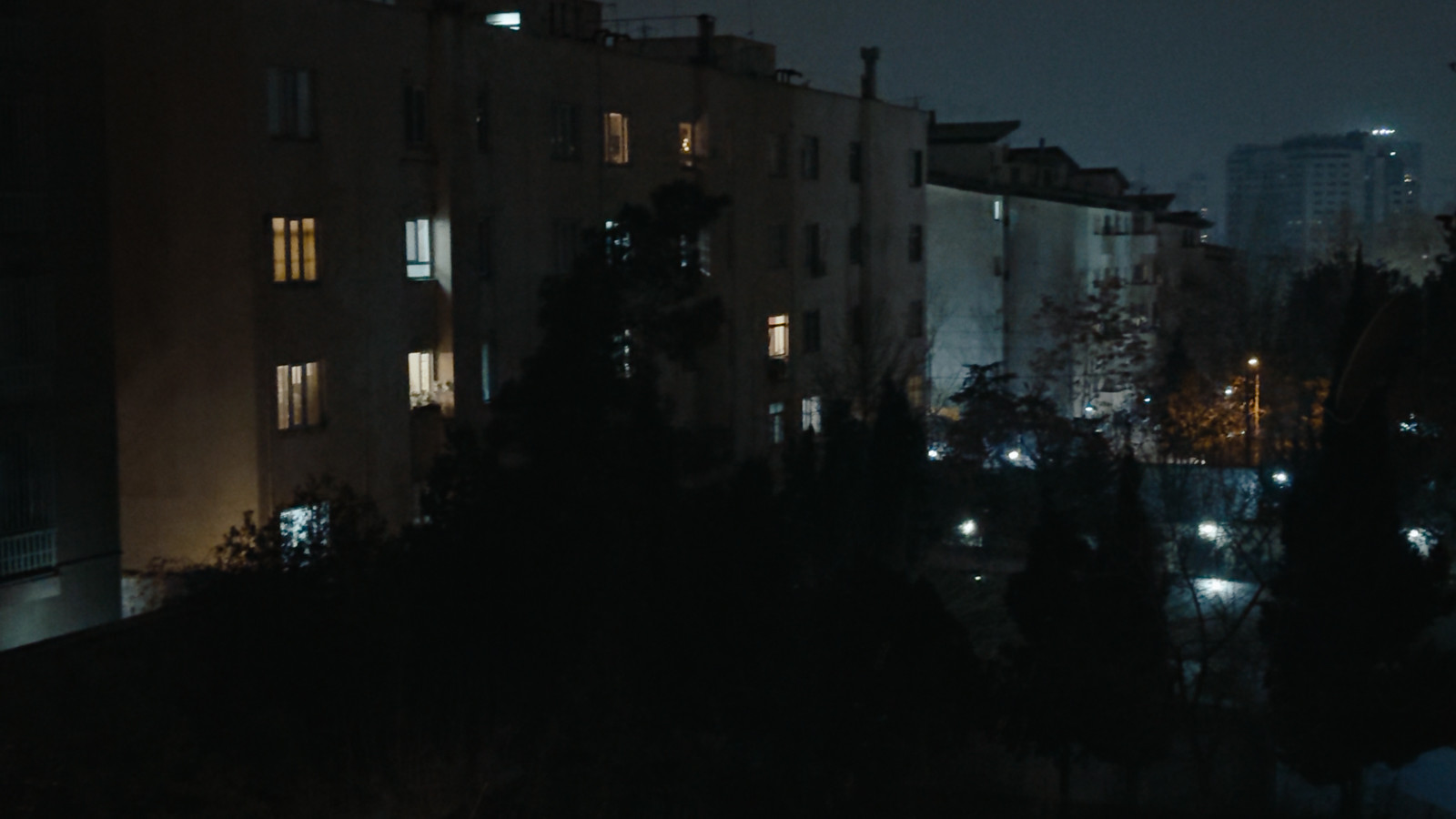
Selina Ershadi, The Blue Dome, 2026. Still.
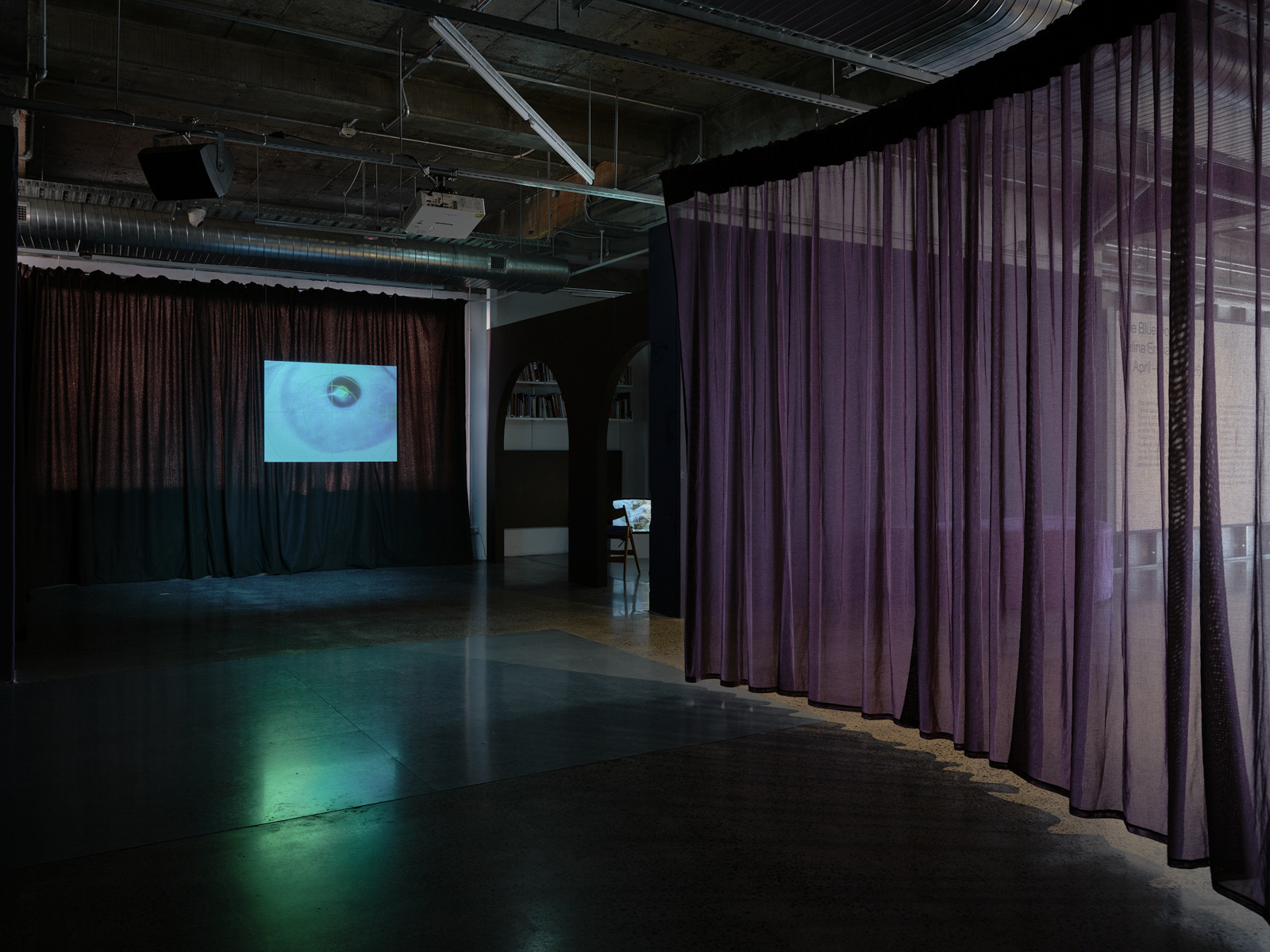
Selina Ershadi, An eye, open, 2026. 16mm Film transferred to data, colour, no sound, 2’44” looped; custom perspex screen, 105 x 78.8 cm.
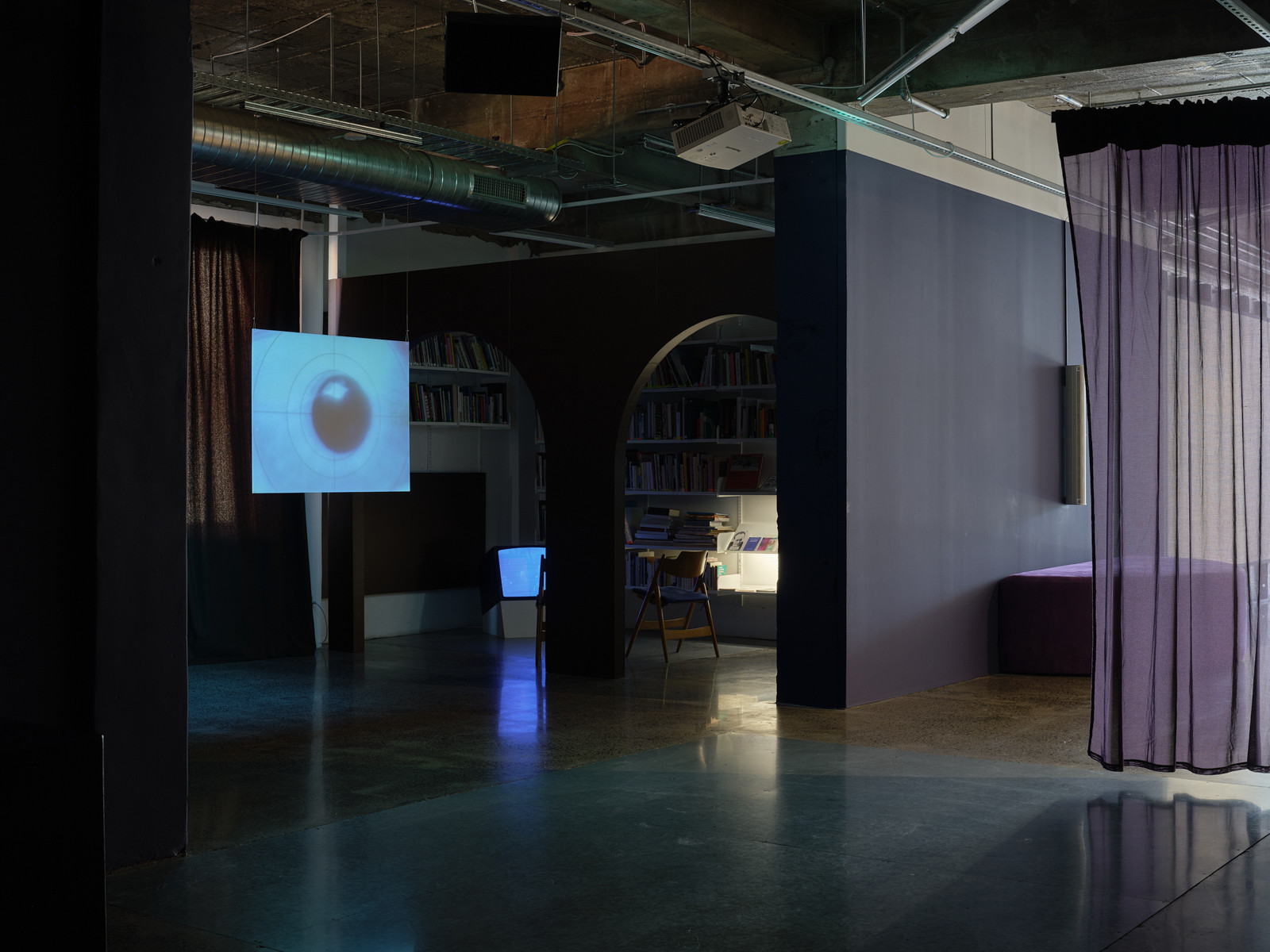
Selina Ershadi, The Blue Dome, 2026. Installation view.
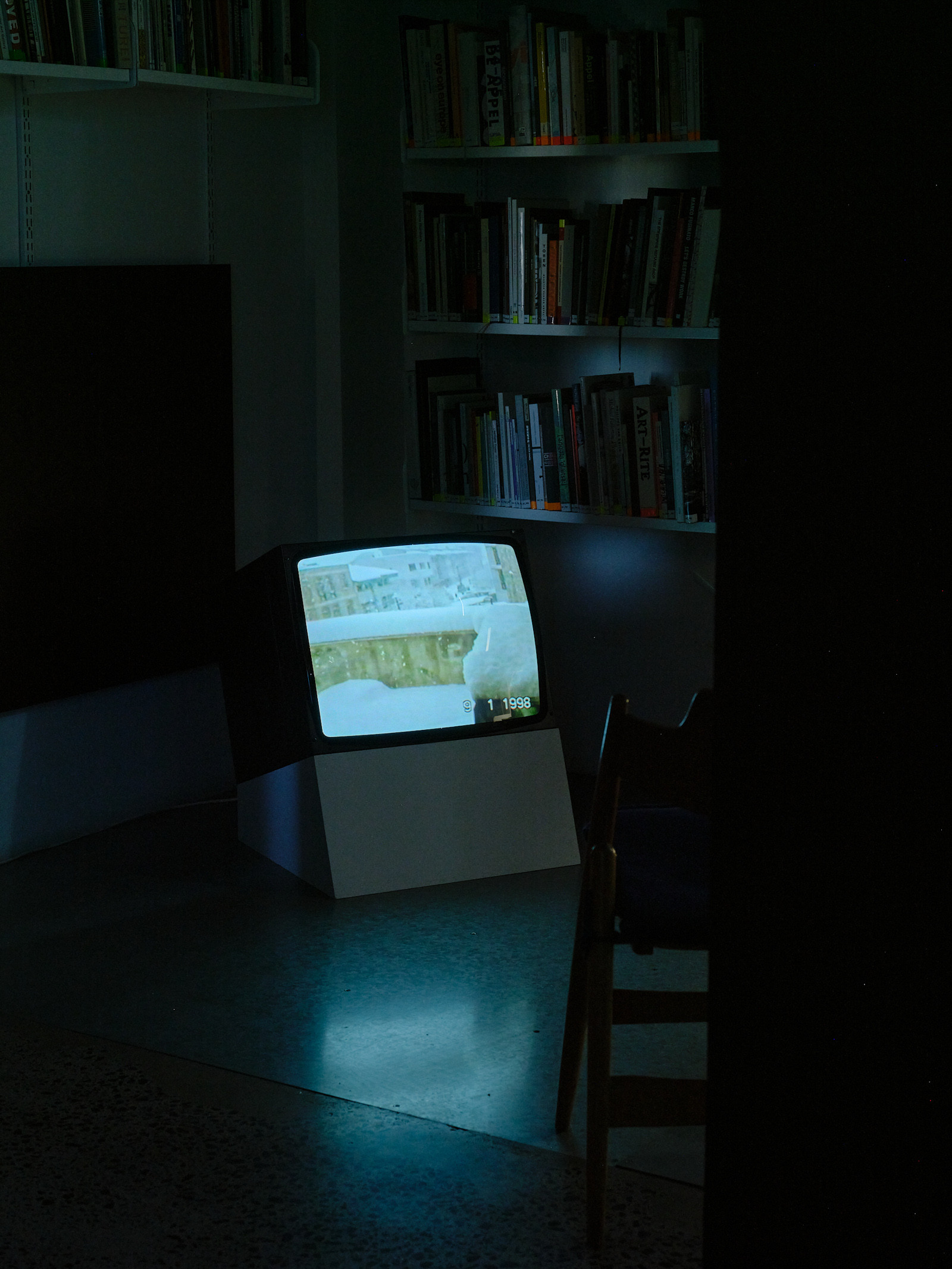
Selina Ershadi, Paratext, VHS transferred to data, colour, no sound, 3’52” looped.
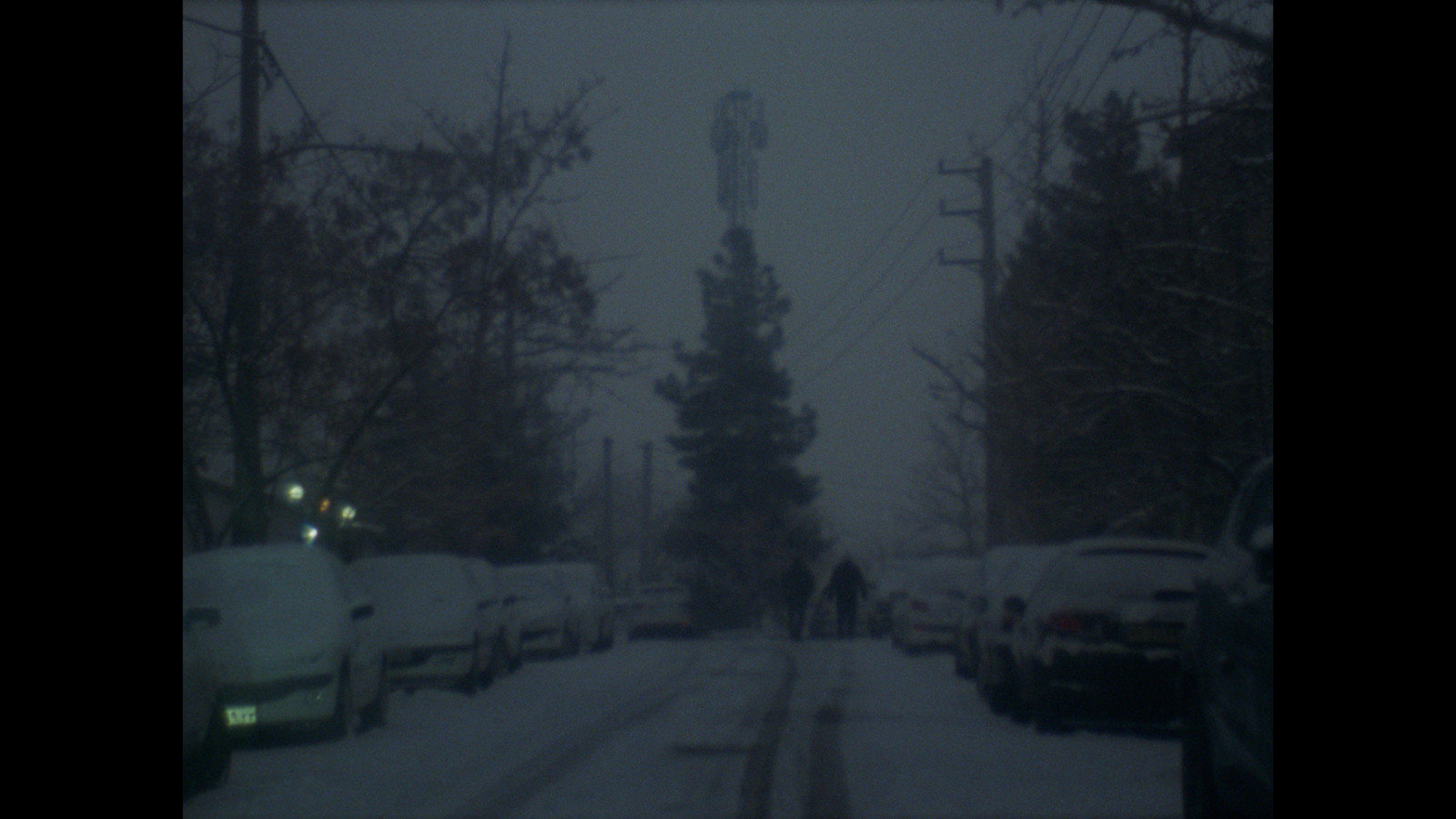
Selina Ershadi, Paratext. Still.
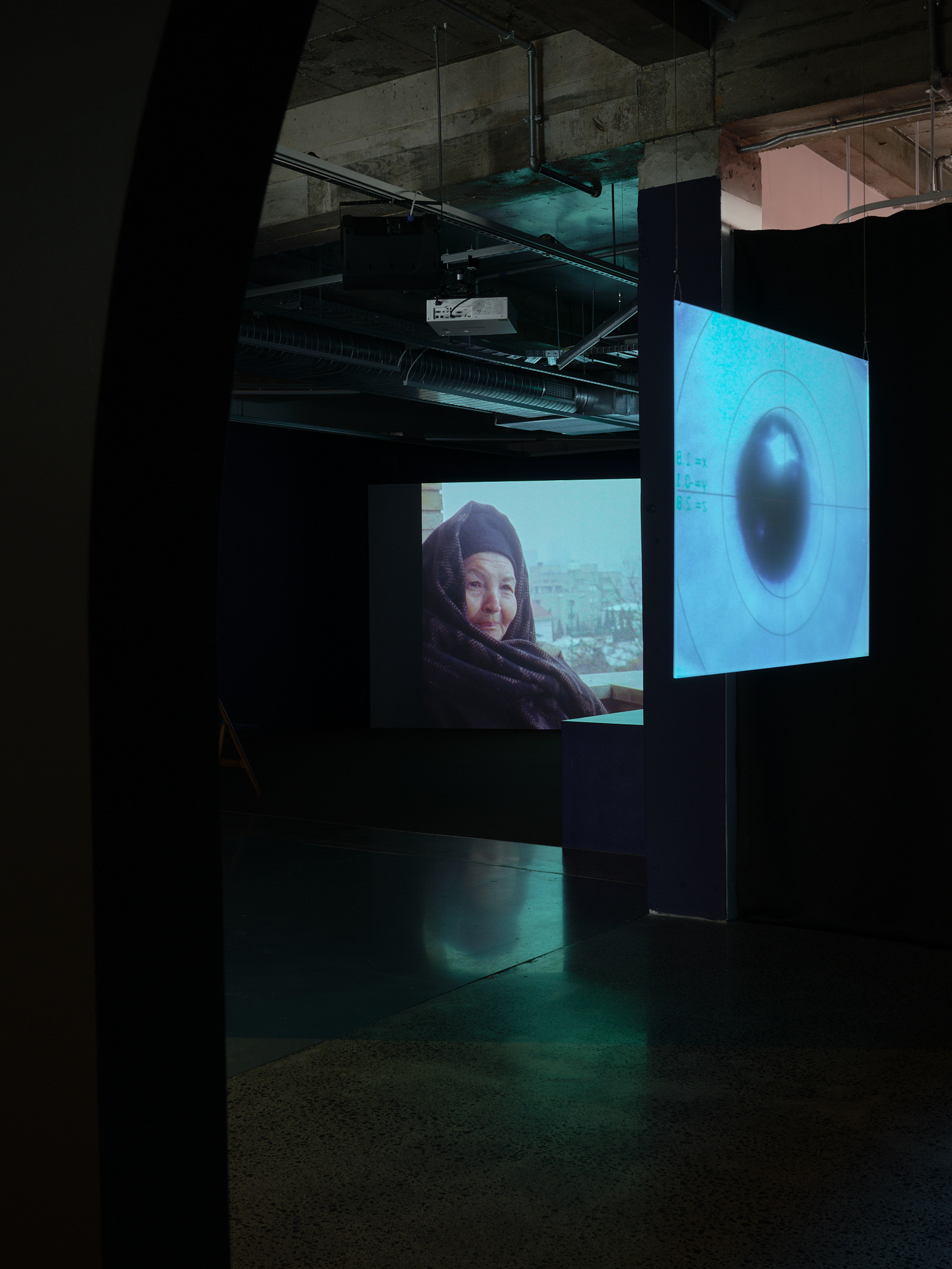
Selina Ershadi, The Blue Dome, 2026. Installation view.
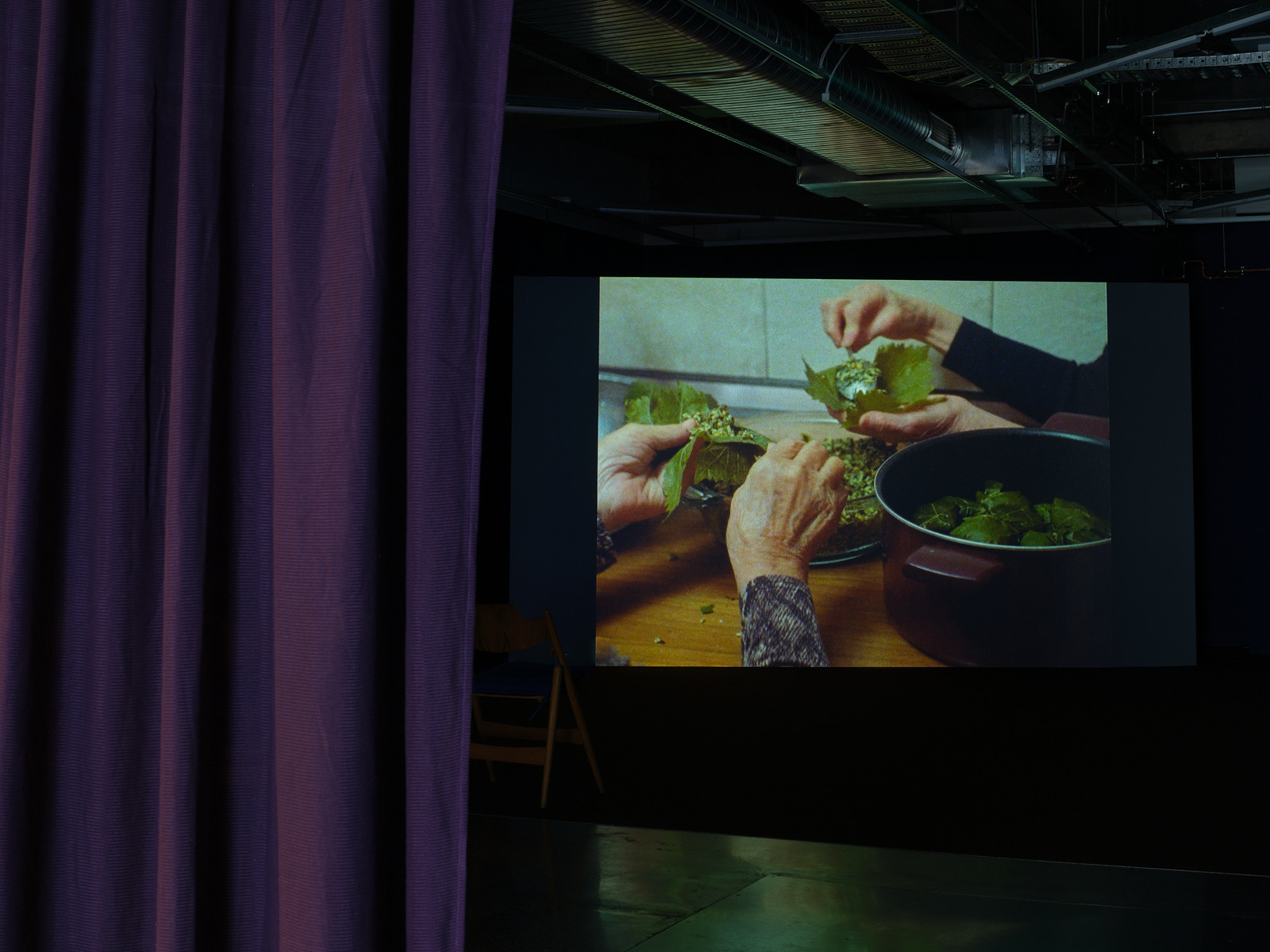
Selina Ershadi, The Blue Dome, 2026. 16mm Transferred to data, HD-digital video, colour, 4.1-channel sound, Farsi with English subtitles, 28’48” looped; custom screen, 455 x 245 cm.
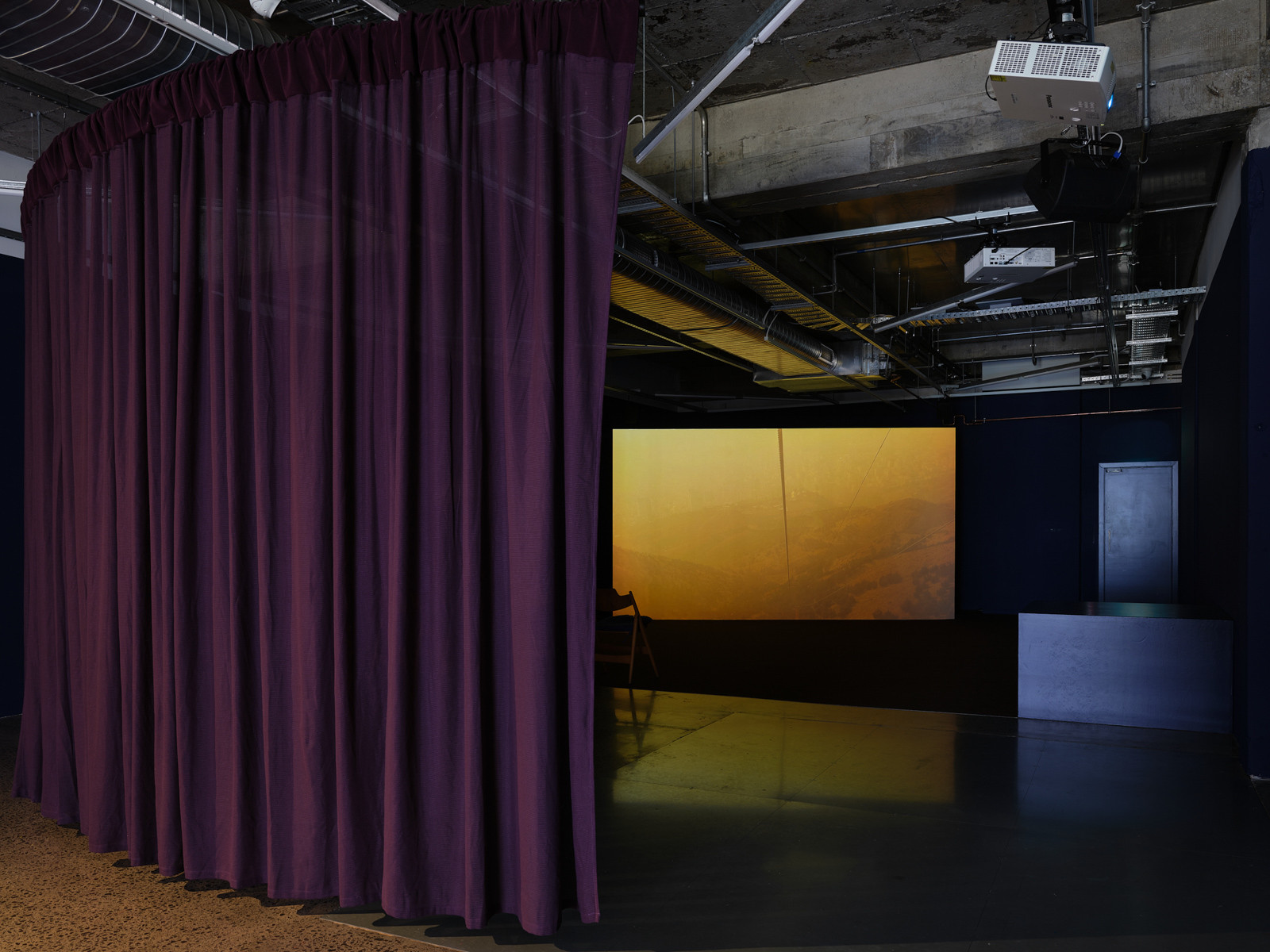
Selina Ershadi, The Blue Dome, 2026. Installation view.
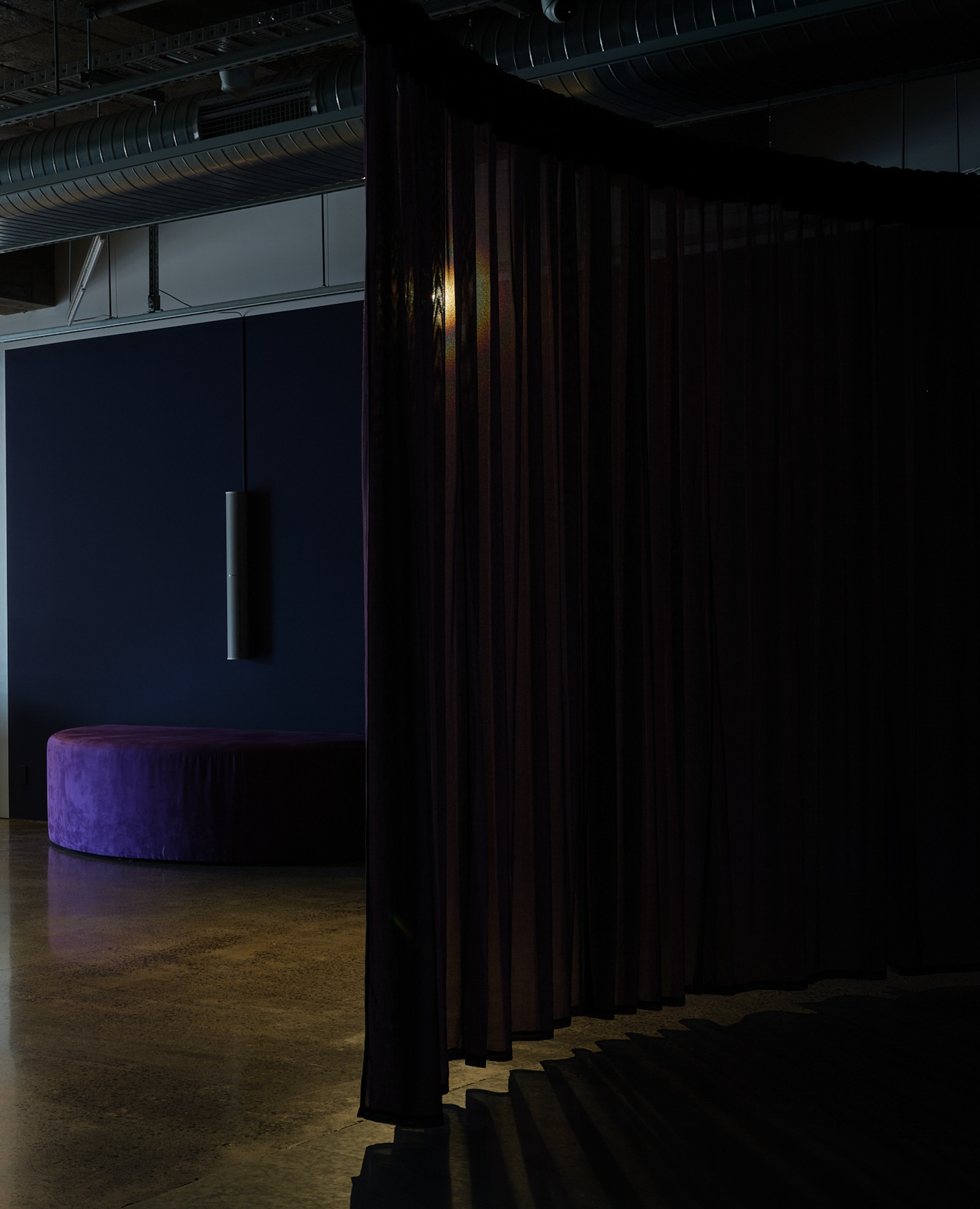
Selina Ershadi, The Blue Dome, 2026. Installation view.
This exhibition presents new work by Iranian-born, Tāmaki Makaurau–based artist Selina Ershadi. Working with film, sound, and text developed during recent trips to Tehran and in Tāmaki Makaurau, she explores the politics of recording personal stories. These artworks, made with women in her family, challenge standard expectations of voice, vision, and home. By working with details often overlooked in official historical narratives, Ershadi questions whose stories are seen, remembered, and valued.
This exhibition is presented in association with Nottingham Contemporary and Queensland Art Gallery | Gallery of Modern Art.
View full exhibition text
“Under the blue dome one was, one was not” is a phrase that appears time and again in Iranian folklore. This phrase invokes perception and travels through time, shared mouth to mouth between generations. The blue dome is of course the night sky, but it is also a void, an opening, an aperture. Apertures, both natural and mechanical, direct our gaze: what is made visible? What remains out of sight? This act of drawing attention sits at the heart of Selina Ershadi’s practice as she explores the telling of personal stories that hover at the periphery of dominant historical narratives. Grappling with the apparatuses often used to tell these stories—the camera, the microphone—she interrogates standards of veracity associated with documentary processes. She teases out the narrative friction between notions of the minor, the often over-looked, and major, the often over-emphasised, and how these registers affect our understanding of character, site, and form. Ershadi works with her body, camera, and the women in her family; exploring the ways in which our proximity to power, place, and language radically informs our perspective and ability to tell our stories.
The Blue Dome (2026) is constructed out of audio visual material produced in two recent visits to Tehran, Ershadi’s first home which she now mostly experiences at a distance. The film, which moves between digital and analogue formats, unravels the assumption that the recording of people and their lives via an apparatus will create a stable account. Against this, The Blue Dome braids an inverted shape of time into its structure to explore this impossibility and loops between two alternating endings. In between these deviations from standard timelines the audience spends 30 minutes (a day, a year, a lifetime?) with Ershadi, her aunts, and grandmother who discuss the making of the film at the same time as considering familial relations within a wider social context. The film offers glimpses into this family’s orbit—and scenes that graze the edges of Tehran, as if from the perspective of the aperture itself.
Hannah Arendt’s text Human Condition describes conversation as essential to avoiding behaviours that enable authoritarianism. Similarly, pioneering Indigenous filmmaker Alanis Obomsawin has asserted that her process always begins with listening to those she is working with. Arendt and Obomsawin draw us into a manner of constructing the world predicated on relationships rather than individualism. They propose that participating in society—specifically from their experience as cultural producers who document life—requires relinquishing the prioritisation of the enclosed individual and going towards the other, differences and all. Weaving these positions together, “one is, one isn’t”, Ershadi constructs an environment through her embodied methodologies that activate the tenderness of listening and the fragility of conversation. This position offers a potent alternative to the pervasive tone of our current moment, which could be described as the age of the monologue, slogan, or diatribe. In The Blue Dome the entire gallery becomes a site to play out this alternative, as it acts as an instrument to transmit both image and sound that is susceptible to the variabilities of the world around us.
The exhibition leads with listening. It begins as an aural experience, with a new audio work as its prelude. It underscores Ershadi’s understanding of sound as a physical, poetic, and political material contingent on relationships. Sound takes on a three-dimensional quality as it constructs a space made up of field recordings from diverse localities that include a ticking clock, darkness, breath, clothes, sleep, as well as the human voice from whisper to song. Ershadi emphasises the paradox of forming a whole out of fragments, whether audio or visual, drawing our attention to the subjectivity of the editing process.
If the blue dome is a night sky and aperture, it surely must also be an eye. An eye, open (2026) explores the same paradox of forming a whole from a drawn-out glimpse. The film renders the eye of Ershadi’s mother, Azita, its major character. Shot over three years, this film documents the regular medical imaging of Azita's eye as her ocular tuberculosis is monitored. Only fragments of this footage are usable, mirroring this rare condition which can lead to blindness if left untreated. The looping image repeatedly shows a target, throwing into stark relief the ways image-making can quickly replicate mechanisms of power and discipline regardless of the fragility of the content encountered.
This exhibition is made up of oblique angles, curves, cuts, gaps, and veils. Its artworks dance along the edge of visibility and stability as “one is and one is not.” Ershadi elides the contemporary compulsion for highly saturated images and high pitched sounds, directing us, instead, to that most fragile of moments when an image or sound is formed. In her hands, the camera and the microphone close in on the whisper, the side-long glance, and the otherwise overlooked, conjuring the potency of the minor. Ultimately, Ershadi reminds us that it is from the so-called minor that life and meaning are constructed.
Biography
-
Selina Ershadi is an Iranian-born, Aotearoa based artist who works across filmmaking and writing, drawing upon personal and familial histories and archives. Ershadi’s work complicates straight-forward autobiography and troubles the camera’s relationship to lived reality, making visible the risks and failures that haunt any act of documenting. Her film Amator (2019), co-made with her mother Azita Chegini, is the first Farsi language artwork in the Te Papa Tongawera collection. Ershadi's work has been exhibited widely including Bangkok Experimental Film Festival, Te Pātaka Toi Adam Art Gallery, The Physics Room, Govett-Brewster Art Gallery, Dunedin Public Art Gallery, and the 2025 BFI London Film Festival.
Events
Open late
Curator's tour at Aotearoa Art Fair
So you Think you Know About Art? Quiz at Aotearoa Art Fair
Kaitohu Director’s exhibition tour
Deep dive: Lecture by Mahdis Azarmandi
In focus: The image that moves me with Selina Ershadi and Nova Paul
Pinhole camera workshop
fugue notes film screening with live voice over
Evacuation Tapes, a reading by Ruth Buchanan
Documents
the-blue-dome-exhibition-guide.pdf
2026 programme
Each year Artspace Aotearoa asks one question. Across the year, this question is explored by artworks, artists, and audiences. In 2026, we ask, “which history?” You can think of our annual exhibition programme as a connected inquiry, in four parts and with many possible answers. Join us.
Gordon Bennett
Emily Karaka
Selina Ershadi
Atarangi Anderson & Thies Vaihū
Margaret Aull
Elvis Booth-Claveria
Chris Bryant-Toi
Fiona Connor
Millie Dunstall
Jef Geys
Pākāriki Harrison
Abigail Aroha Jensen & Emil Scheffmann
Keciano
Georgia Larkins-Tareha
Lana Lopesi
Alex Martinis Roe
Andreas Müller
Liam Philp
Samoa House Library
Te Wānanga o Aotearoa
Sam Thorne
Nathan Wilson
et al.
Lolani Dalosa
Ken Faber
Lily Greig
Ton Ray
Rangi White